The Band – The Best of The Band album art
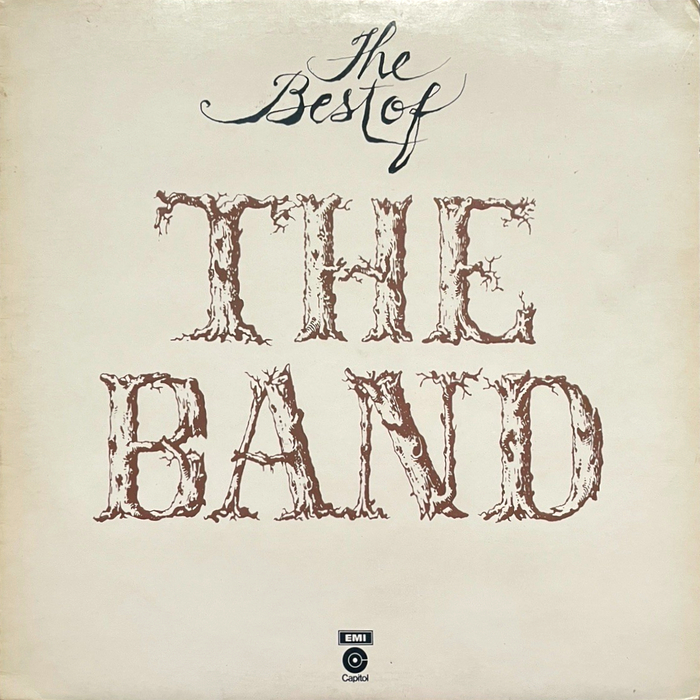
Source: www.ebay.de BodiWorks (edited). License: All Rights Reserved.

The Band were a Canadian-American rock group formed in Toronto in the late 1950s. Originally backing rockabilly singer Ronnie Hawkins under the name The Hawks, they gained recognition for backing Bob Dylan on his 1966 concert tour. In 1968, they changed the name to The Band and embarked on a career of their own. The Best of the Band from 1976 is their first greatest hits compilation.
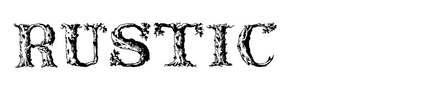
For the text-only cover, designer Bob Cato combined calligraphy with letters made from tree trunks and branches. This all-caps alphabet was shown by Hermann Esser as Rustic in Draughtsman’s Alphabets, a book published in 1877. It’s unclear whether Esser originated the design or whether he found it somewhere else.
Together with fellow German immigrant Wilhelm J.D. Keuffel (1838–1908), Esser (1845–1908) was the co-founder of Keuffel and Esser in 1867. Headquartered in Hoboken, New Jersey, the company was the first in the United States to specialize in drafting instruments and supplies. K+E originated the “Leroy” mechanical pantograph, a refinement of the DINgraph device, and later also was the local agent for French Letraset competitor Mecanorma.
Sometime in the 1950s, Photo-Lettering turned the Rustic alphabet into a photo typeface named Forest Primeval. This is likely the version spec’d by Cato – with stretched proportions. About half a century later, the alphabet was digitized by Fredrick Nader of Apostrophic Labs as Nero (2000) and by Paulo W of Intellecta Design as Dead Wood Rustic (2007).

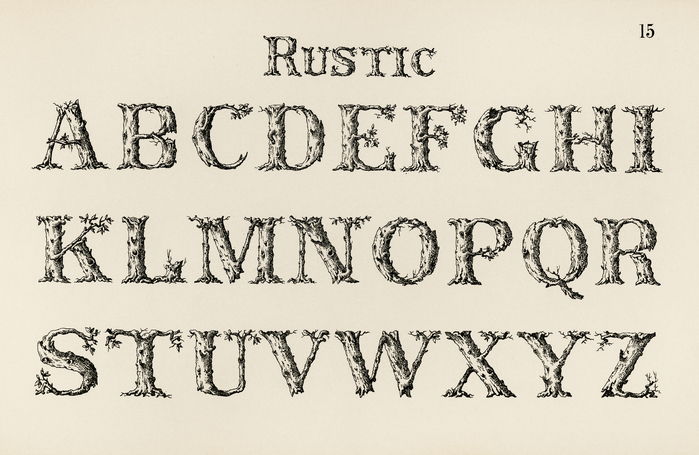
Source: www.flickr.com Free Public Domain Illustrations by rawpixel. License: CC BY.
Rustic as shown in Draughtsman’s Alphabets by Hermann Esser. Digitally enhanced from the 5th edition of the publication.
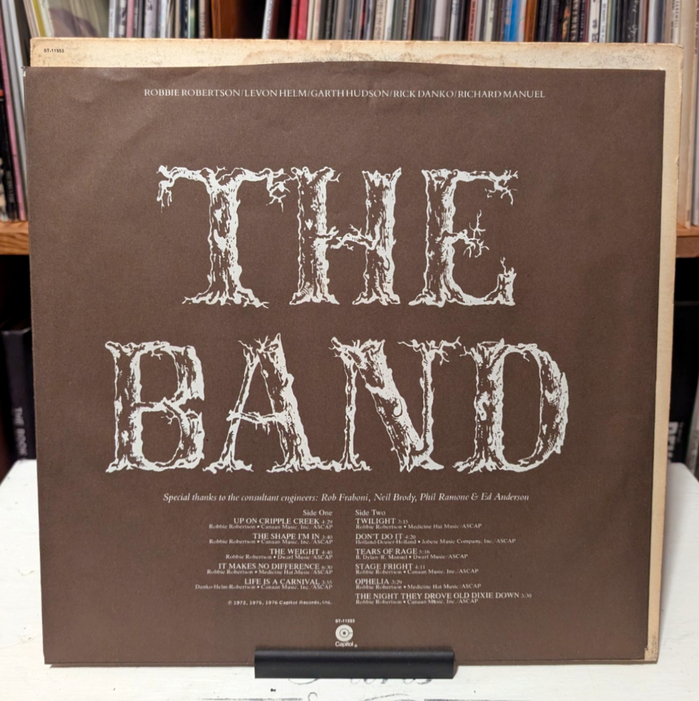
Source: www.ebay.de VintageVinyL&Memorabilia (edited). License: All Rights Reserved.
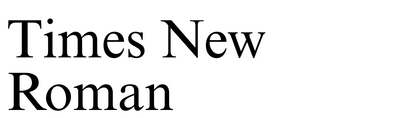
The small text on the inner sleeve is set in Bembo Italic and Times New Roman.
This post was originally published at Fonts In Use