Exploring Isometric Typography: A Grid-Based Design Approach
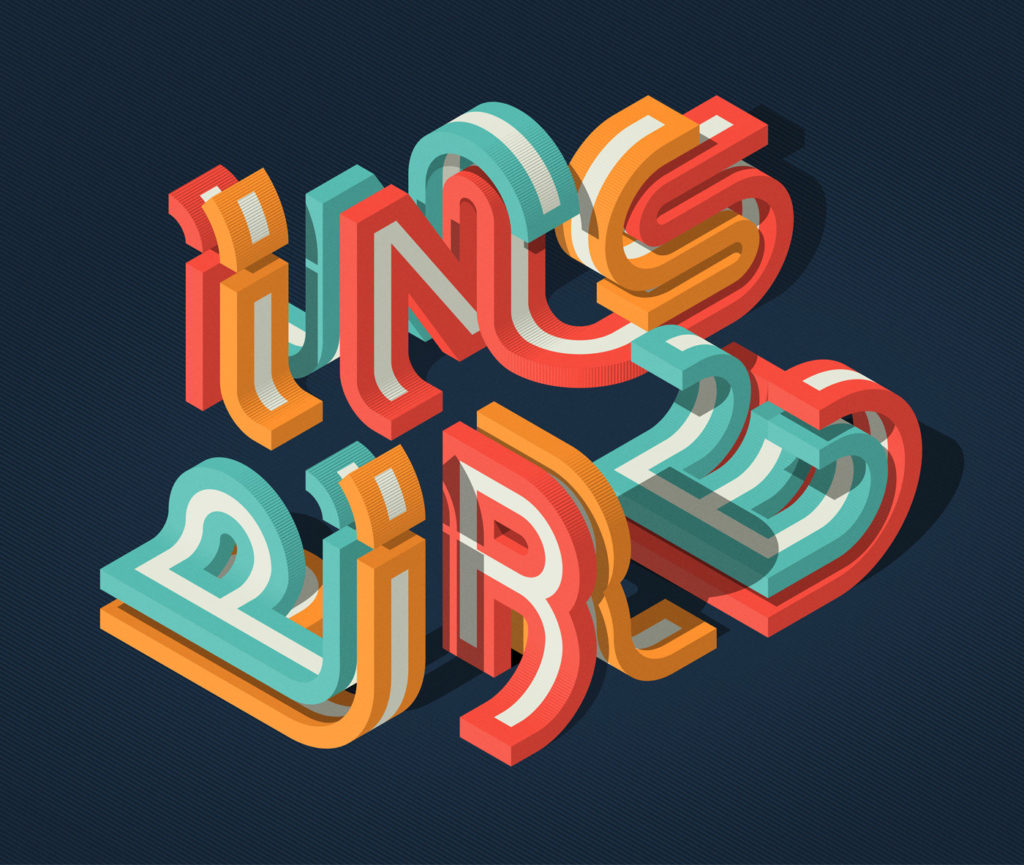
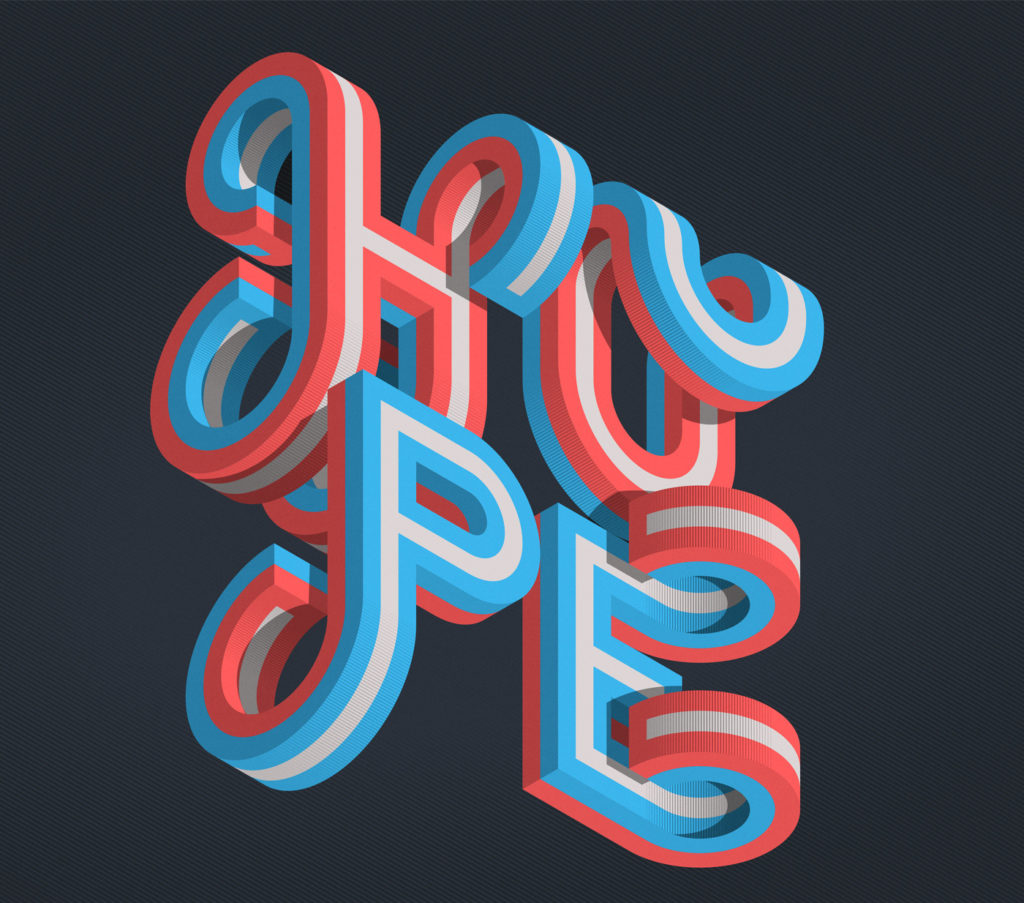
Typography is more than just arranging letters—it’s about shaping visual experiences. In this post, we dive into an intriguing typographic experiment by Mario de Meyer: isometric grids as a foundation for letterforms. This technique blends structure and creativity, offering a fresh perspective on dimensional type design.
The Power of Isometric Grids in Typography
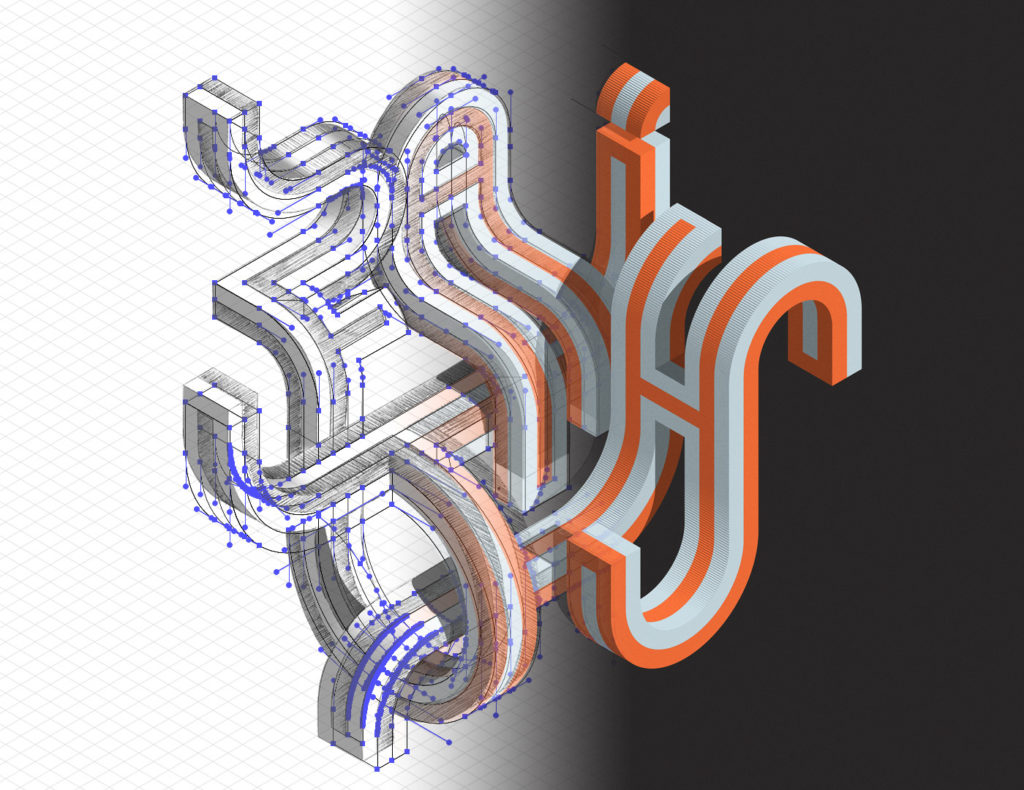
Isometric grids provide a 3D illusion on a 2D plane, using consistent angles (typically 30°) to maintain perspective without distortion. When applied to typography, these grids introduce depth, dynamism, and a playful architectural quality.
The project featured here demonstrates how rigid geometric constraints can fuel creativity. Each letter is constructed within the grid, balancing uniformity with artistic expression. The result? A cohesive yet vibrant series where type becomes a sculptural element.
Key Design Takeaways
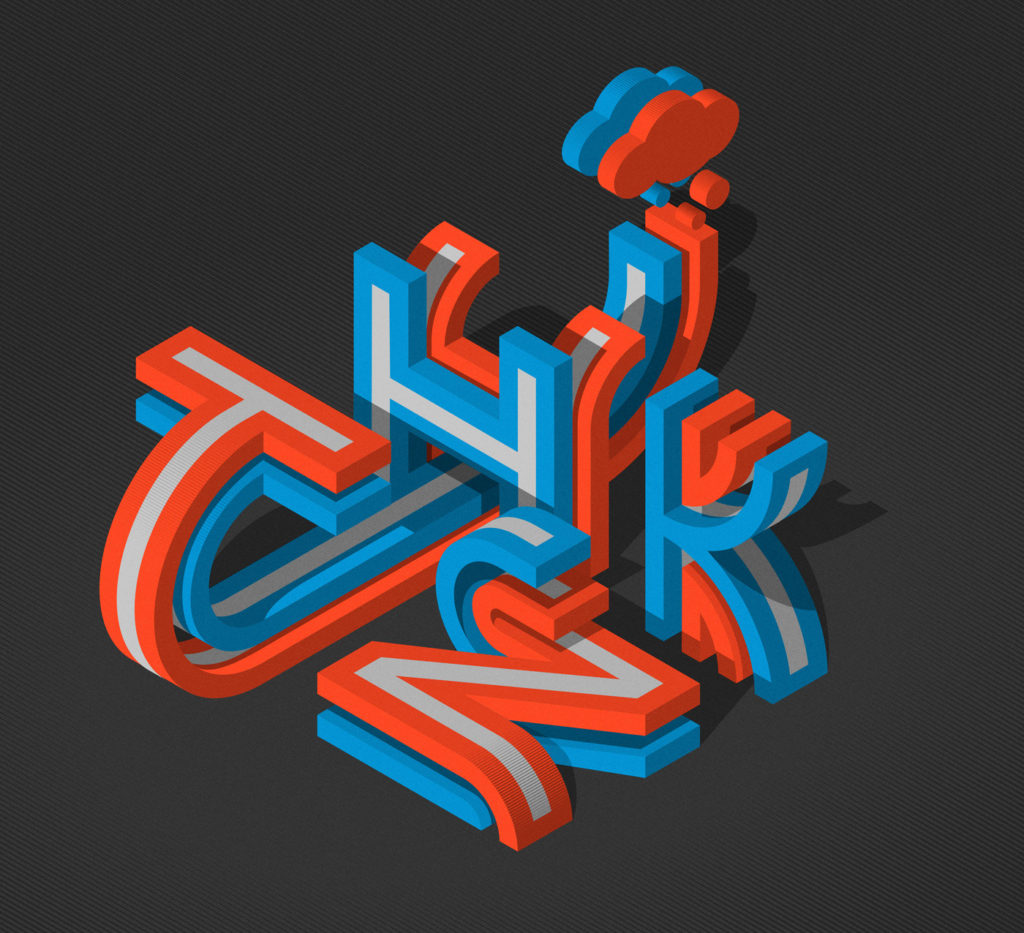
- Structure Meets Flexibility – The grid ensures consistency, but subtle variations in shading, line weight, and negative space give each character personality.
- Depth Through Simplicity – Even without complex rendering, the isometric perspective creates striking dimensionality.
- Scalability – This approach works for logos, posters, or digital art, proving that systematic design can adapt to diverse applications.
How to Experiment with Isometric Typography
- Start with a Grid: Use tools like Illustrator’s grid tools or free isometric templates.
- Sketch First: Roughly plot your letterforms within the grid before refining digitally.
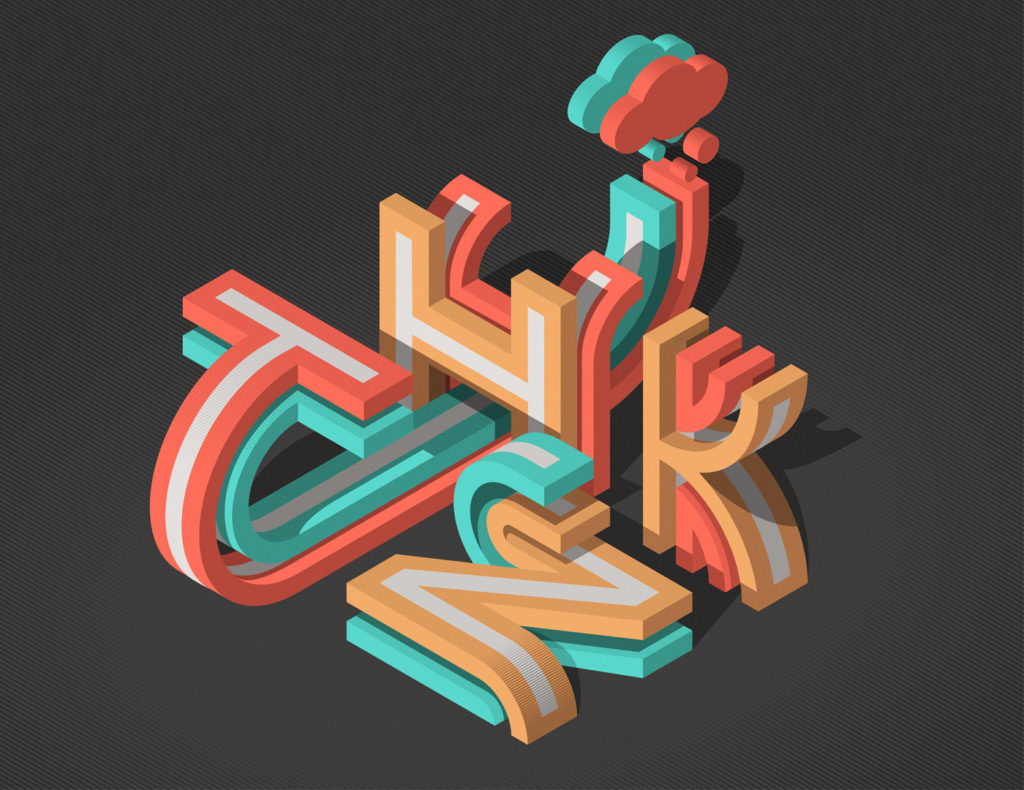
- Play with Details: Add texture, color, or transparency to enhance the 3D effect.
Why It Matters
Isometric typography challenges designers to think beyond flat layouts. It’s a reminder that constraints—like a grid—can spark innovation rather than limit it. Whether for branding, editorial work, or pure experimentation, this method offers endless possibilities.
Inspiration for Your Next Project? Try breaking down a typeface into isometric components or morphing glyphs into geometric structures. The intersection of precision and imagination is where the magic happens.
The post Exploring Isometric Typography: A Grid-Based Design Approach appeared first on Typography Daily.