Offline N°14
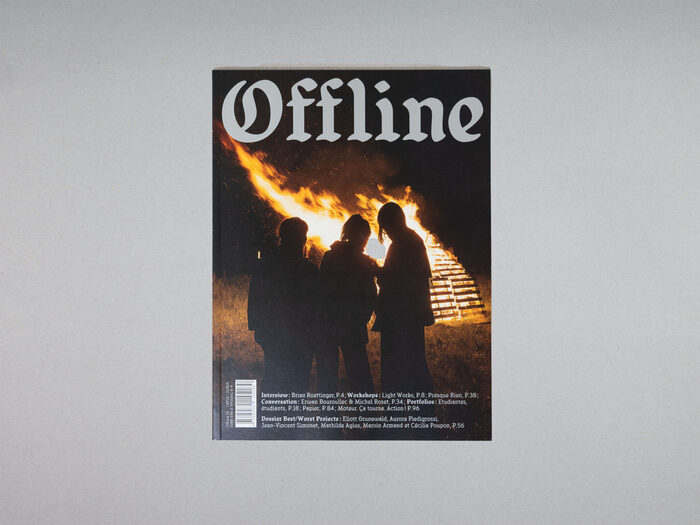
Source: ecal-shop.ch ECAL. License: All Rights Reserved.




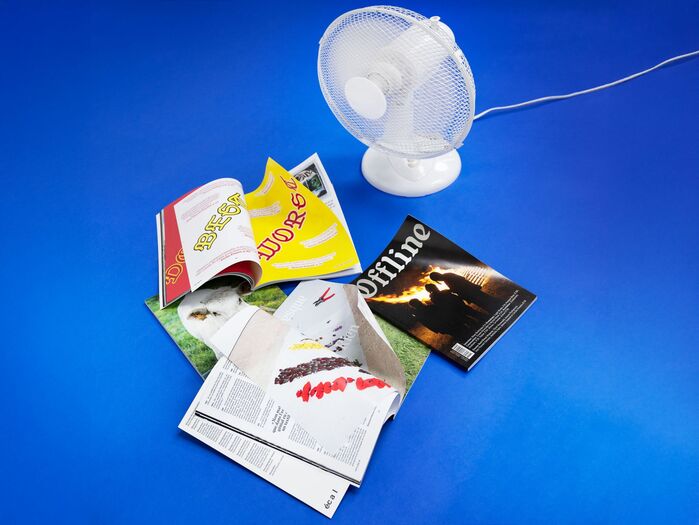
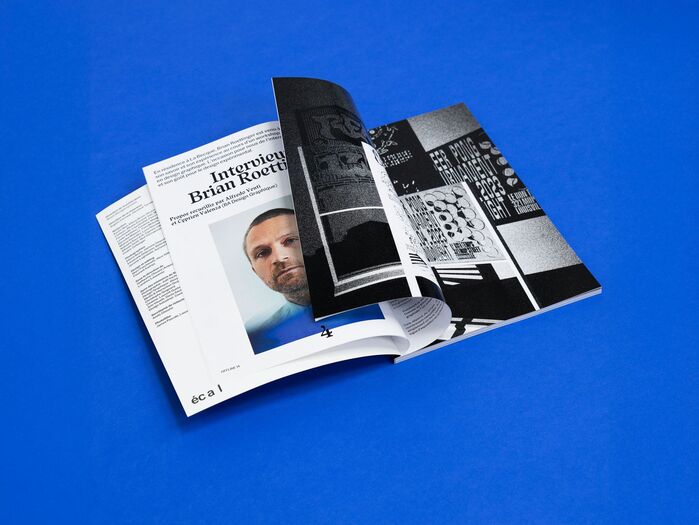
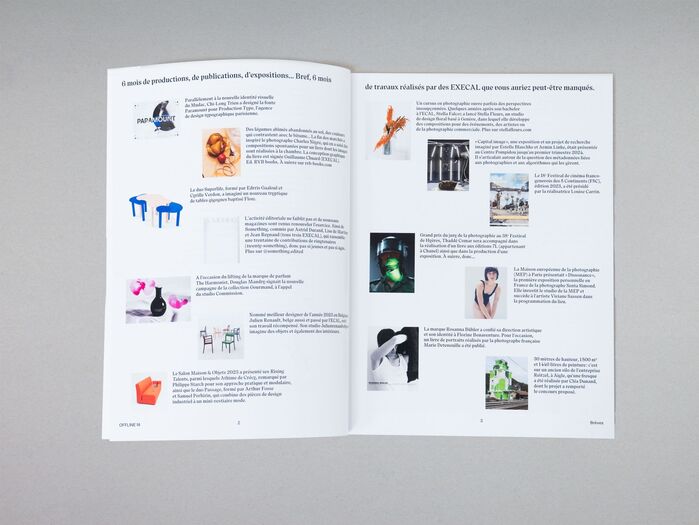
Offline is the magazine of ECAL. Produced by students, it presents the events that have marked a semester – workshops, masterclasses, exhibitions or trips – through interviews and portfolios. Each issue is structured around a thematic dossier, providing an opportunity to examine an issue from different points of view. In addition, reviews of Bachelor’s theses complete the issue.
Supervised by Bachelor of Graphic Design students, the artistic direction is specifically designed for each issue, giving the print version its own unique character.
For its 14th issue, Offline went to meet a group of ECAL students who had recently graduated and, each in their own way, set out to conquer their independence. Their testimonies tell the story of this particular period, when budding talent breaks free from the cocoon in which it has matured, thanks to experiences, both stimulating and disappointing, that end up constituting operational knowledge. It’s a time when we have to metabolize the frustration of compromise while cultivating a high level of plastic rigor, be open to other ways of thinking without forgetting to be critical, understand the mechanisms of communication while preserving our autonomy, a somewhat magical time when our newly-promoted talents gradually acquire the confidence and authority essential to achieving excellence.
Interviews: Brian Roettinger, Eliott Grunewald, Aurore Piedigrossi, Jean-Vincent Simonet, Mathilde Agius, Marvin Armand, and Cécilia Poupon.
Conversation: Erwan Bouroullec and Michel Roset.
Portfolios: Ettore Bruni, Jasmine Deporta, Emanuele Delpozzo, Belinda Kiela, Jerome Luginbühl, Auriane Nicollier
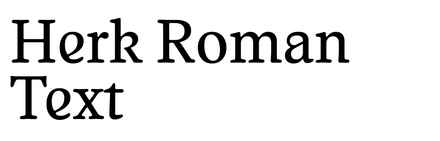
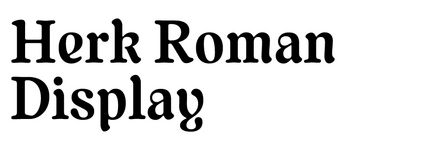
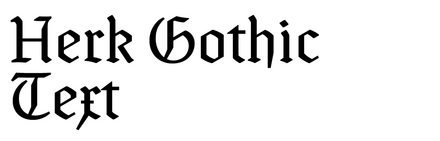
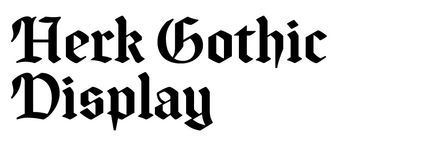
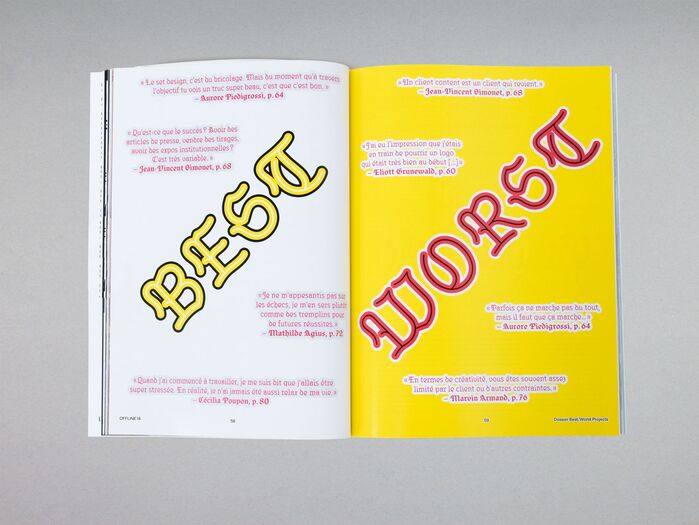
Typefaces used for this publication are diploma projects by ECAL Master Type Design students: the Herk series by André Teixeira and Sita Sans by Edouard Berard.
The former is the outcome of a type research project investigating the intersection of roman and gothic letterforms. Inspired by 1970s–80s b-boying culture and the typography found on dancers’ outfits, Herk Type Crew develops across seven styles, from raw iterations closely tied to its original sources (Pencil, Marker, Brush) to more structured interpretations, culminating in Roman and Gothic Text.
Source: ecal-shop.ch ECAL. License: All Rights Reserved.
Source: ecal-shop.ch ECAL. License: All Rights Reserved.
Source: ecal-shop.ch ECAL. License: All Rights Reserved.
Source: ecal-shop.ch ECAL. License: All Rights Reserved.
Source: ecal-shop.ch ECAL. License: All Rights Reserved.
This post was originally published at Fonts In Use