Witness. Genocide Through Children’s Eyes

Source: attractingattention.fyi License: All Rights Reserved.


Book design for a humanitarian project focused on child protection and trauma response in the context of the ongoing genocide in Gaza.
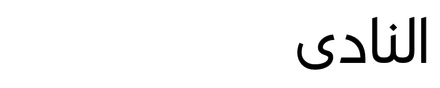
The design is informed by the bilingual and intergenerational narrative threads that run through the book. The Arabic-language part is read from the one side of the book, while the English part moves from the other side to the centre. From a generational perspective, the structure of the book centres the voices of local children in Gaza. Text written and illustrated by adults (set in Format Grotesk and HS Alnada) is kept on the outer pages of the book and visually separated from the core of the book through the choice of a darker, rough kraft paper. The structure and recycled look of the paper makes reference to the fact that artists and makers often have to resort to scrap materials to draw in times of crisis.
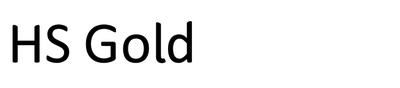
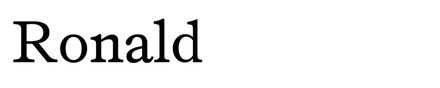
The core of the book highlights the lived experience of children who live through the genocide. Drawings made by these children on locally available papers form the main visual components of this part. They are complemented by texts (set in Ronald and Tempos Mono (not shown in the image selection) from Samara Keller, HS Gold from Hiba Studio and Lifta by Omaima Dajani) that narrate the children’s testimonies and their fears and hopes for the future. These text sections are framed by doodles made by some of the children, as a reference to the playful practice of doodling in a school book. Photographic sections composed of dense grids of still images taken from videos recorded by the children featured in the book complement these elements.
Overall, the design concept is driven by an ambition to counteract the process of “unchilding”, which tends to remove children affected by colonial violence from childhood and their native lands – either by the coloniser or by inconsiderate outside actors removing any remaining agency and dignity from these children.
The book is available via Palestine Humanitarian Response Center (PHRC).

Source: attractingattention.fyi License: All Rights Reserved.

Source: attractingattention.fyi License: All Rights Reserved.

Source: attractingattention.fyi License: All Rights Reserved.

Source: attractingattention.fyi License: All Rights Reserved.

Source: attractingattention.fyi License: All Rights Reserved.

Source: attractingattention.fyi License: All Rights Reserved.

Source: attractingattention.fyi License: All Rights Reserved.

Source: attractingattention.fyi License: All Rights Reserved.

Source: attractingattention.fyi License: All Rights Reserved.

Source: attractingattention.fyi License: All Rights Reserved.
This post was originally published at Fonts In Use