Soapbox issue 6.0, “On the Uses of Absence”
Source: www.instagram.com soapboxjournal. License: All Rights Reserved.


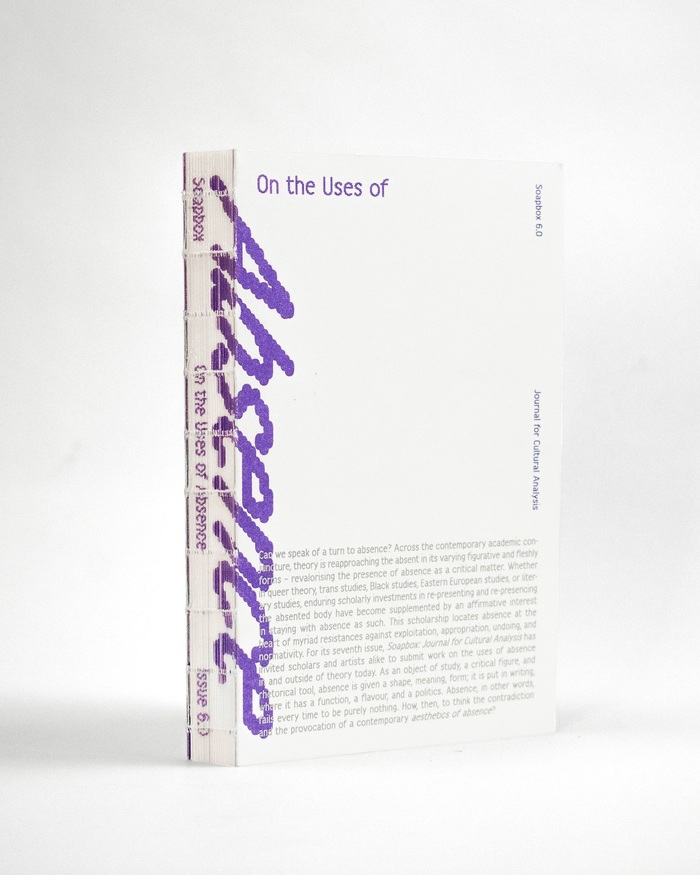
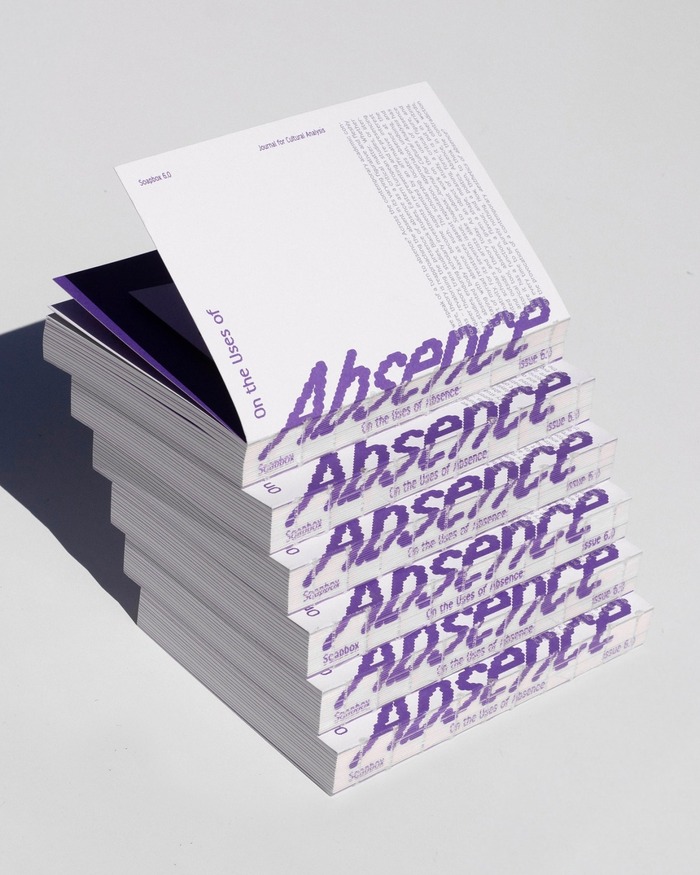
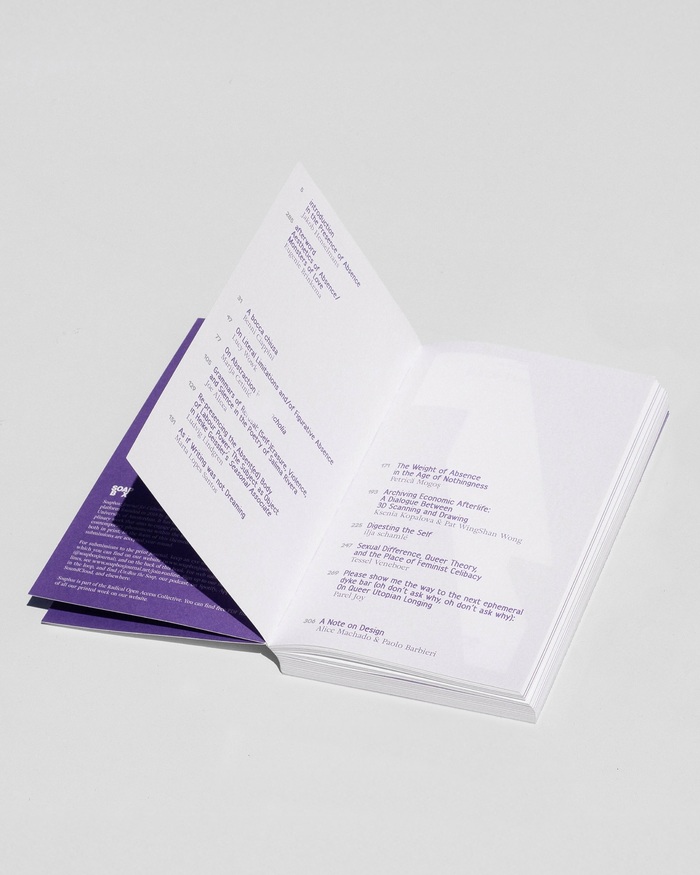
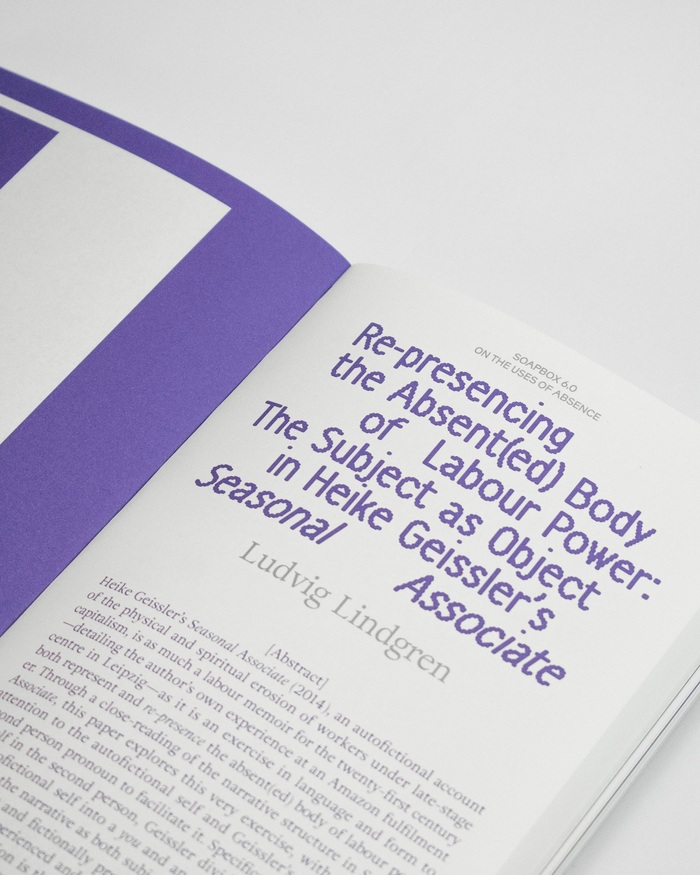
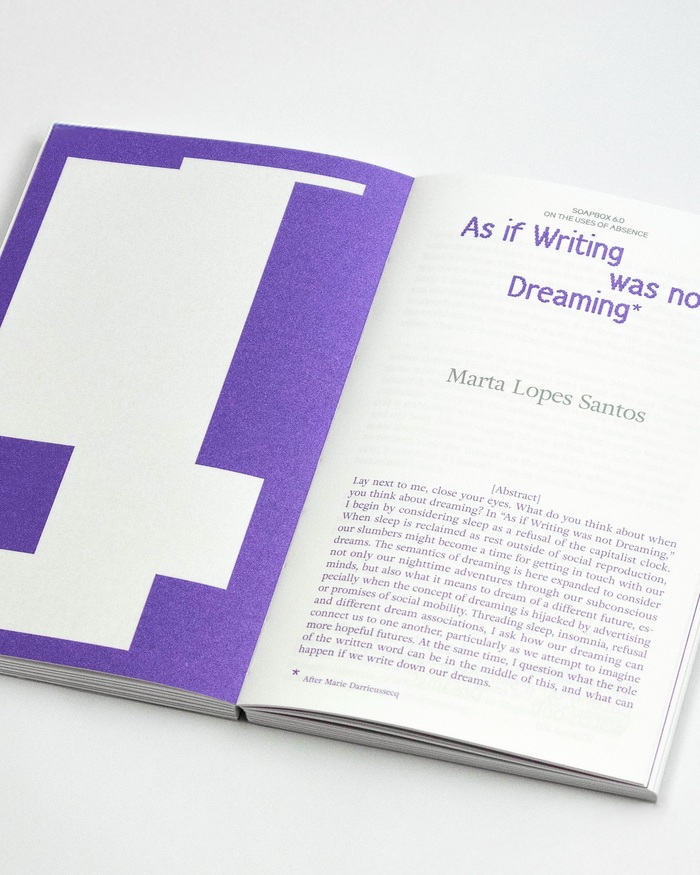
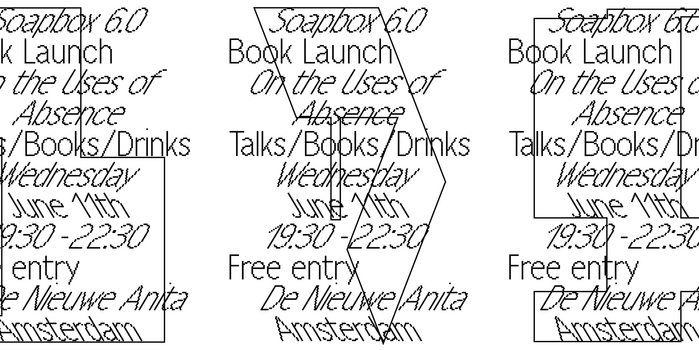
“On the Uses of Absence” is the title of Soapbox, issue 6.0:
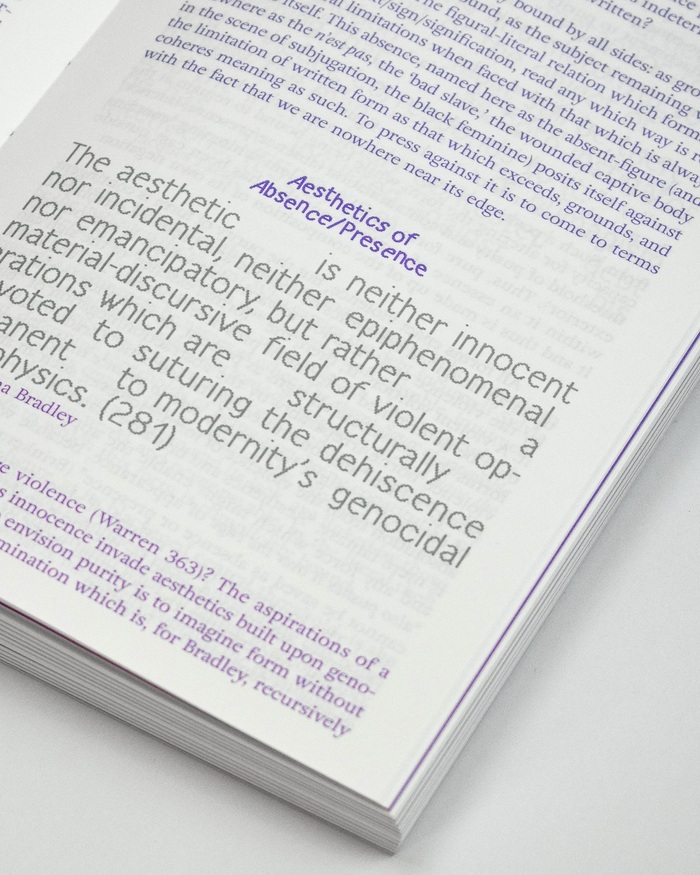
Can we speak of a turn to absence? Across the contemporary academic conjuncture, theory is reapproaching the absent in its varying figurative and fleshly forms – revalorising the presence of absence as a critical matter. Whether in queer theory, trans studies, Black studies, Eastern European studies, or literary studies, enduring scholarly investments in re-presenting and re-presencing the absented body have become supplemented by an affirmative interest in staying with absence as such. This scholarship locates absence at the heart of myriad resistances against exploitation, appropriation, undoing, and normativity. For its seventh issue, Soapbox: Journal for Cultural Analysis has invited scholars and artists alike to submit work on the uses of absence in and outside of theory today. As an object of study, a critical figure, and rhetorical tool, absence is given a shape, meaning, form; it is put in writing, where it has a function, a flavour, and a politics. Absence, in other words, fails every time to be purely nothing. How, then, to think the contradiction and the provocation of a contemporary aesthetics of absence?
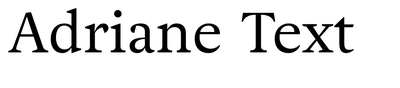
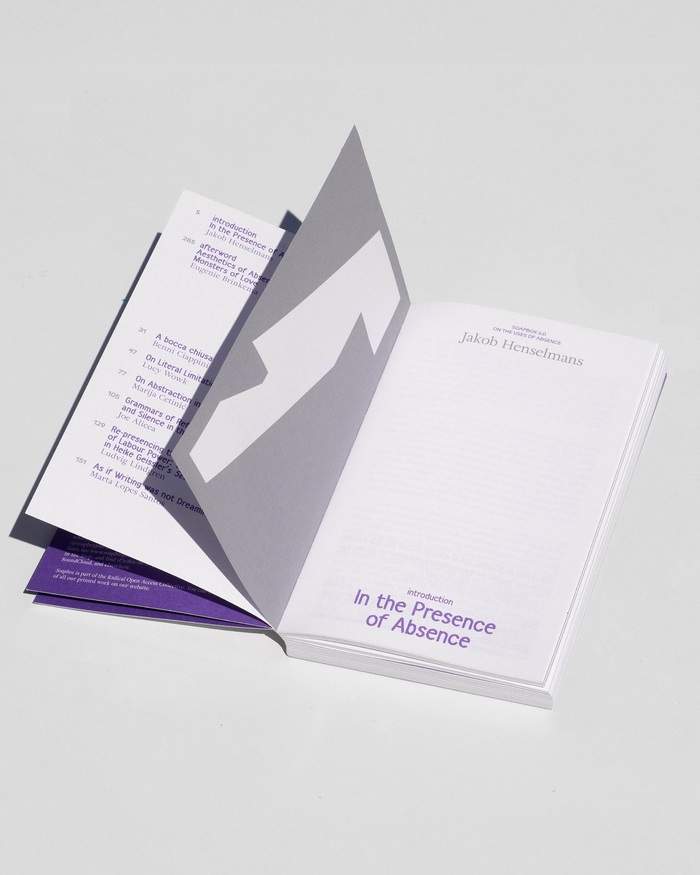
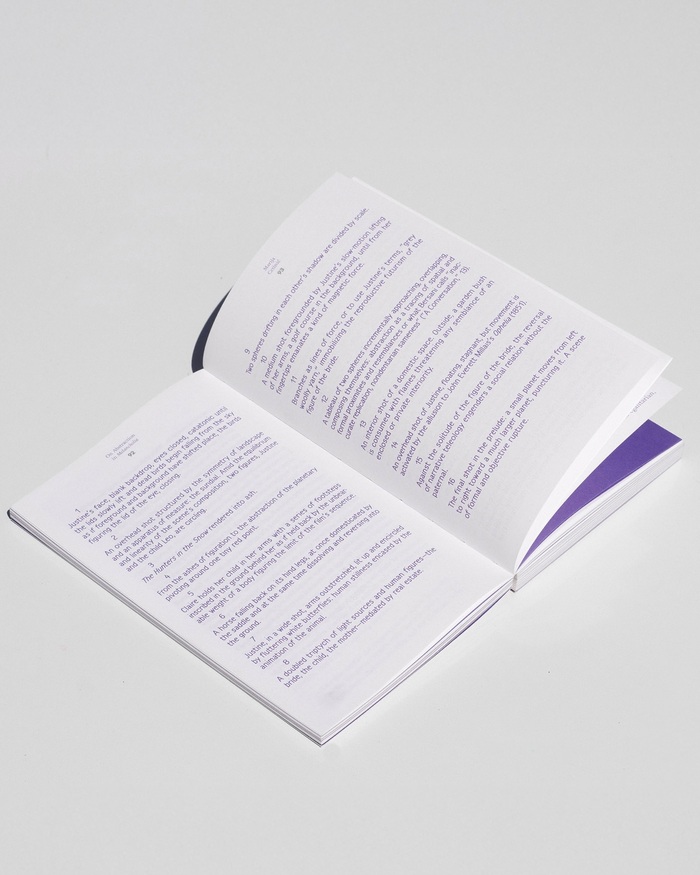
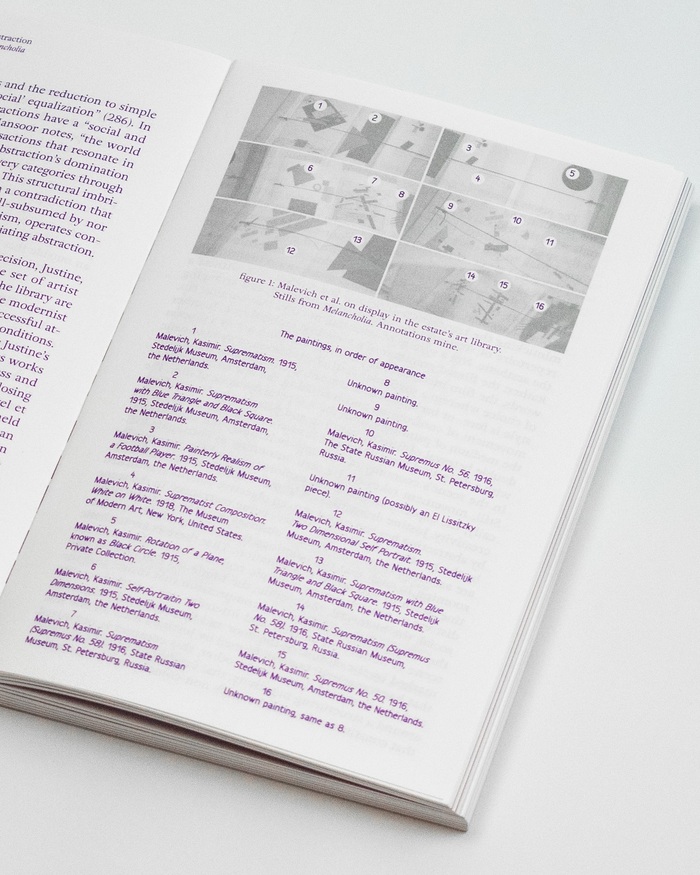
The graphic design was made by Alice Machado and Paolo Barbieri. They used Adriane Text by Marconi Lima, Harber by Benoît Bodhuin and Modulo – origuinally an uncredited and unreleased design by Nebiolo, used here in a version by Alessio D’Ellena and Alberto Malossi.
Source: www.instagram.com soapboxjournal. License: All Rights Reserved.
Source: www.instagram.com soapboxjournal. License: All Rights Reserved.
Source: www.instagram.com soapboxjournal. License: All Rights Reserved.
Source: www.instagram.com soapboxjournal. License: All Rights Reserved.
Source: www.instagram.com soapboxjournal. License: All Rights Reserved.
Source: www.instagram.com soapboxjournal. License: All Rights Reserved.
Source: www.instagram.com soapboxjournal. License: All Rights Reserved.
Source: www.instagram.com soapboxjournal. License: All Rights Reserved.
Source: www.instagram.com soapboxjournal. License: All Rights Reserved.
This post was originally published at Fonts In Use