Illinois Department of Human Rights
Source: span.studio Span. License: All Rights Reserved.

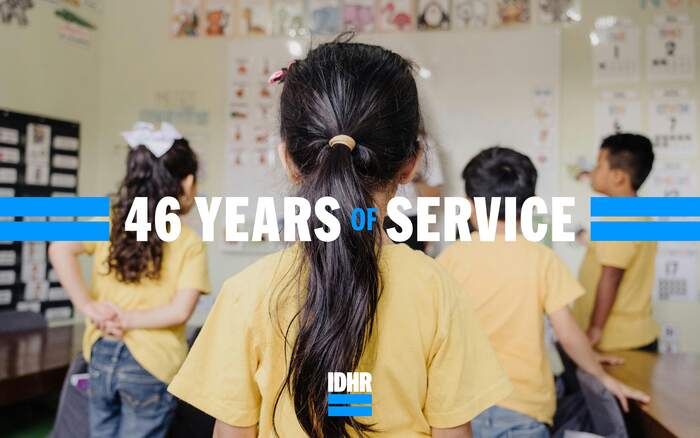
The Illinois Department of Human Rights was created in 1980 to give people one place to turn when they experienced discrimination. More than four decades later, the department faced an access problem. Many Illinoisans did not clearly understand what IDHR offered, what protections they had, or where to go for help.
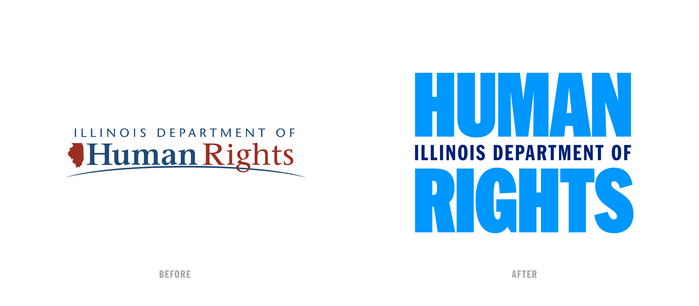
Following the success of the Help Stop Hate campaign, IDHR turned to Nick Adam’s team at Span to rethink how the department showed up in the world.
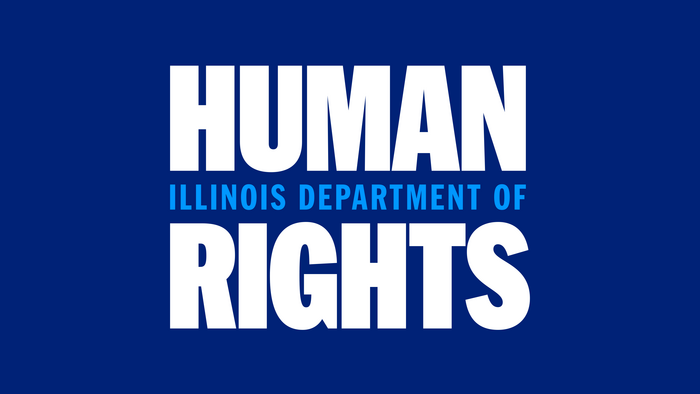
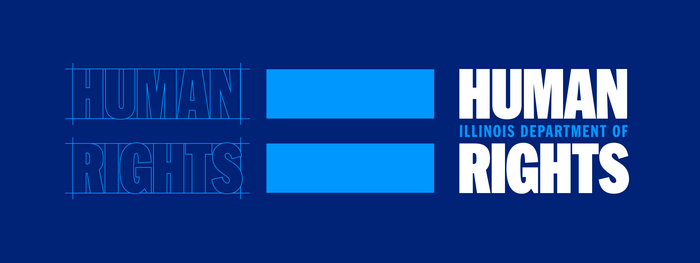
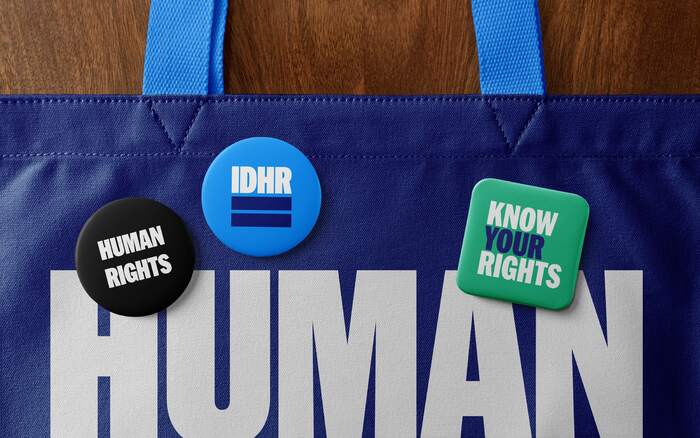
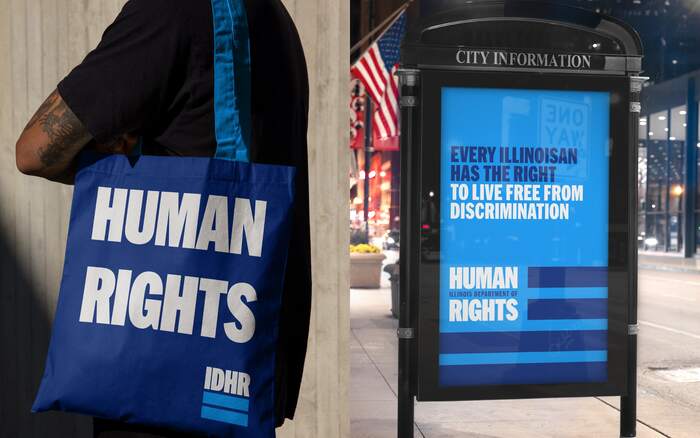
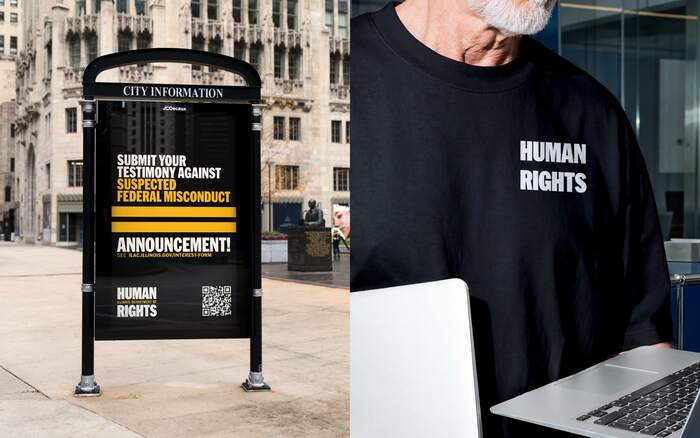
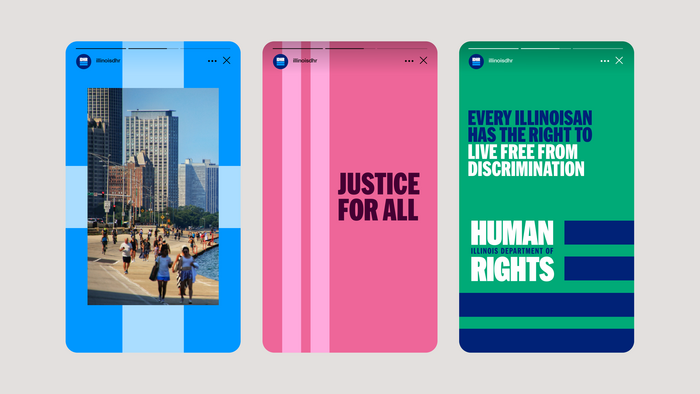
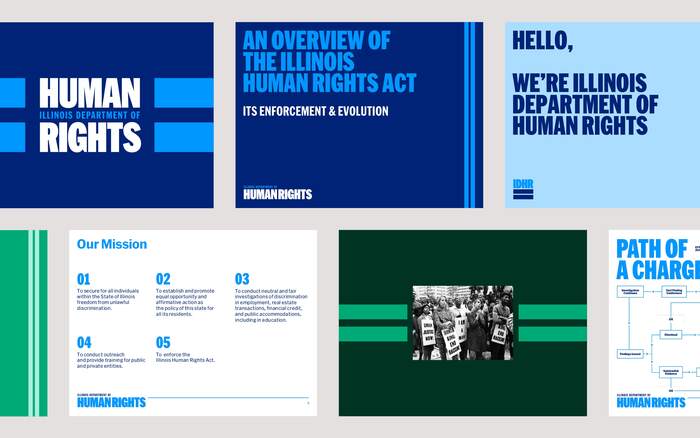
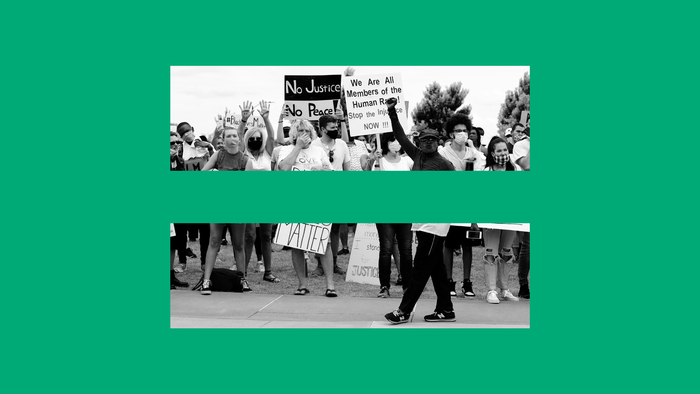
The new identity puts “HUMAN RIGHTS” before the institution. “HUMAN” and “RIGHTS” happen to share the same width, creating the impression of an equal sign. In the abbreviated mark, IDHR stands directly on two equal bars. The bars, used through the broader system, draw from a deeply American visual language: part equal sign, part flag stripe. HEX Franklin by Hex Projects, a contemporary interpretation of Franklin Gothic, connects the identity to that history of direct, distinctly American public typography.
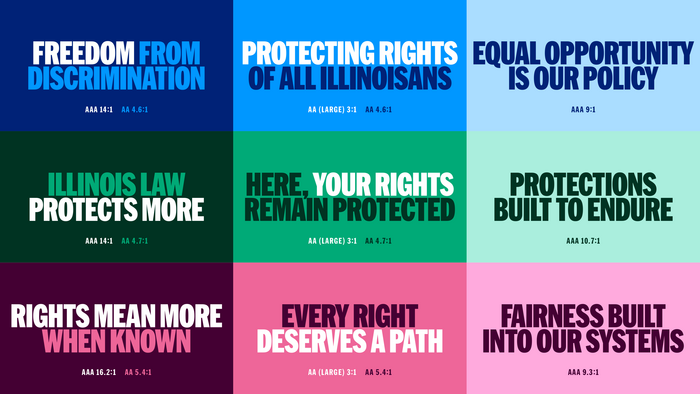
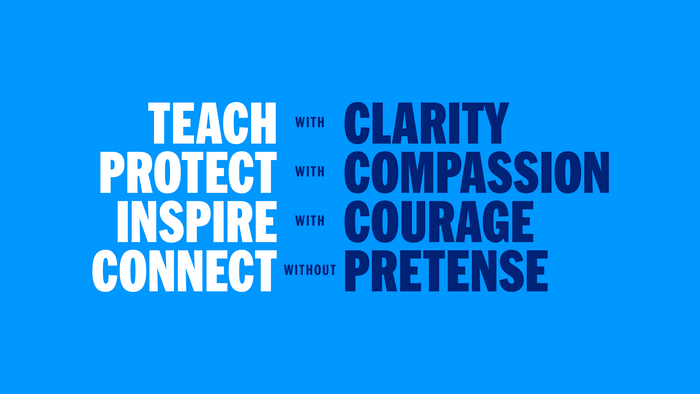
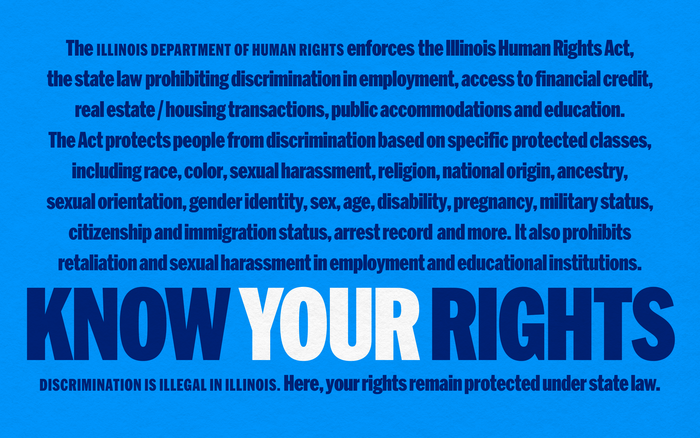
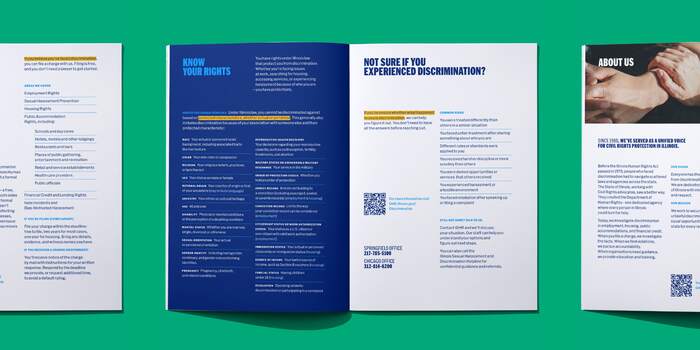
People often come to IDHR unsure whether what happened was discrimination or what to do next. That made accessibility more than compliance. Type, color, hierarchy, and language were designed to make rights easier to understand without diminishing the authority of the law.
“Our goal was to create a brand that people could recognize, connect with, and immediately know our agency exists to protect their rights. Every Illinoisan should know they are protected under state law, regardless of who they are, who they love, or where they come from,” said IDHR Director Jim Bennett. “This rebrand helped make those protections more visible, more accessible, and more connected to the people we serve.”
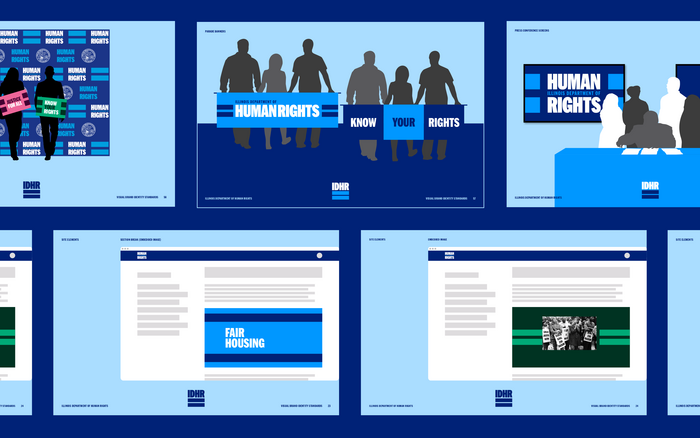
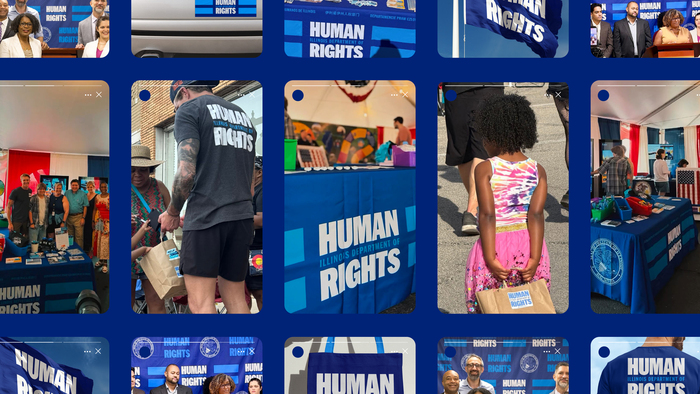
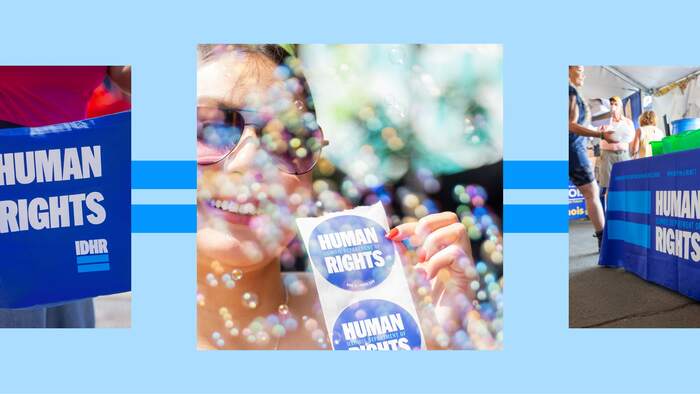
IDHR has to work everywhere, from legal documents and websites to public hearings, Pride, Juneteenth, and the Illinois State Fair. Span built a 99-page system and production-ready tools so staff can respond quickly and consistently when the moment arises.
Source: span.studio Span. License: All Rights Reserved.
Source: span.studio Span. License: All Rights Reserved.
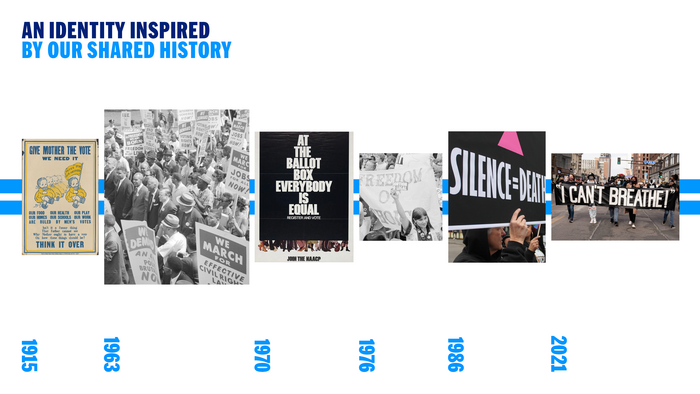
The visual brand identity is informed by a century of human rights actions:
1915 — Give Mother the Vote, We Need It. Rose O’Neill. Wikimedia Commons.
1963 — March on Washington for Jobs and Freedom. Warren K. Leffler, photographer. Library of Congress.
1970 — At the Ballot Box, Everybody Is Equal. Designer unknown. Gary Yanker Collection, Library of Congress.
1976 — Abortion-rights demonstration. Warren K. Leffler, photographer. Library of Congress.
1986 — Silence = Death. Designed by Avram Finkelstein, Brian Howard, Oliver Johnston, Charles Kreloff, Chris Lione, and Jorge Socarrás. Wikimedia Commons.
2021 — George Floyd protest, Minneapolis. Lorie Shaull, photographer. Wikimedia Commons.
Source: span.studio Span. License: All Rights Reserved.
Source: span.studio Span. License: All Rights Reserved.
The abbreviated IDHR mark rests on two equal bars, carrying the idea of equality into its simplest form.
Source: span.studio Span. License: All Rights Reserved.
Source: span.studio Span. License: All Rights Reserved.
Source: span.studio Span. License: All Rights Reserved.
Source: span.studio Span. License: All Rights Reserved.
Accessibility was built into the identity from the start. Color pairings were tested for WCAG contrast, but the goal went beyond compliance.
Source: span.studio Span. License: All Rights Reserved.
Source: span.studio Span. License: All Rights Reserved.
Source: span.studio Span. License: All Rights Reserved.
Source: span.studio Span. License: All Rights Reserved.

Source: span.studio Span. License: All Rights Reserved.
The letterhead was designed for the everyday work of government, including moments of consequence. It carried IDHR’s announcement of Governor Pritzker’s signing of the Civil Rights Safeguard Act, preserving disparate-impact protections in Illinois.
Source: span.studio Span. License: All Rights Reserved.
Source: span.studio Span. License: All Rights Reserved.
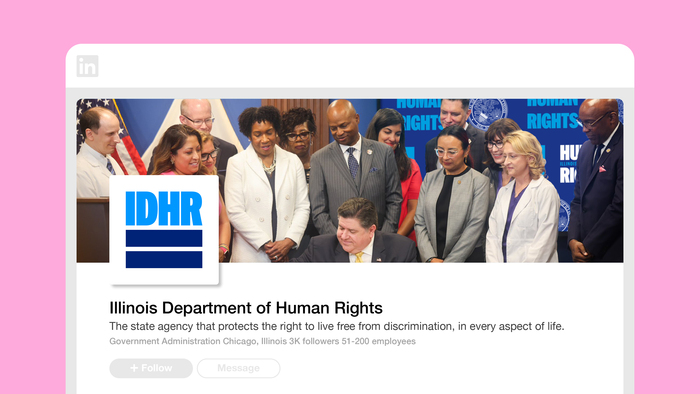
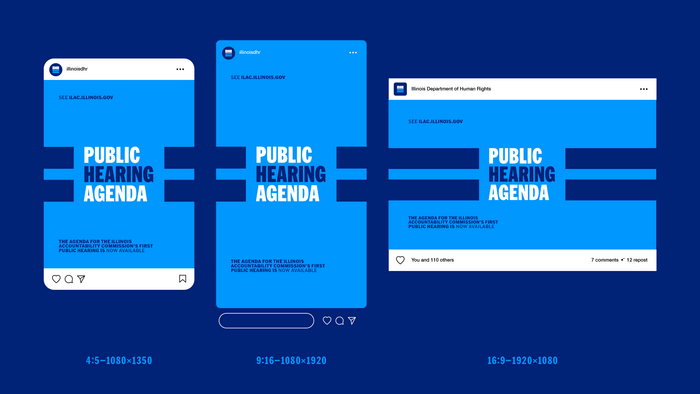
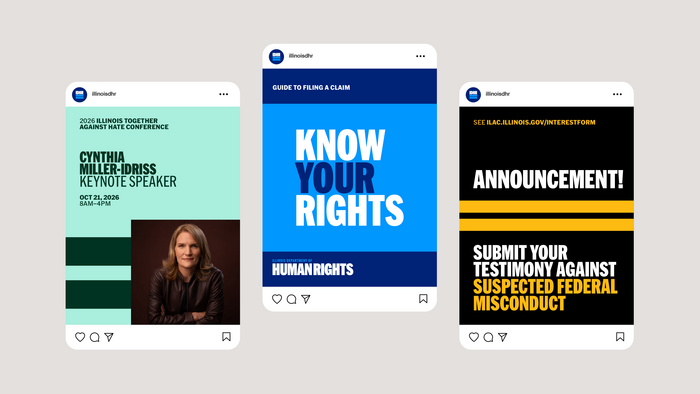
The social media toolkit was built as a rapid-response system, ready to edit and deploy across every major format.
Source: span.studio Span. License: All Rights Reserved.
Source: span.studio Span. License: All Rights Reserved.
Source: span.studio Span. License: All Rights Reserved.
Source: span.studio Span. License: All Rights Reserved.

Source: span.studio Span. License: All Rights Reserved.
Source: span.studio Span. License: All Rights Reserved.
Source: span.studio Photo: Nick Adam. Span. License: All Rights Reserved.
This post was originally published at Fonts In Use