Fake Nostalgia calendar 2026
Source: www.instagram.com Hyun and Jiun. License: All Rights Reserved.



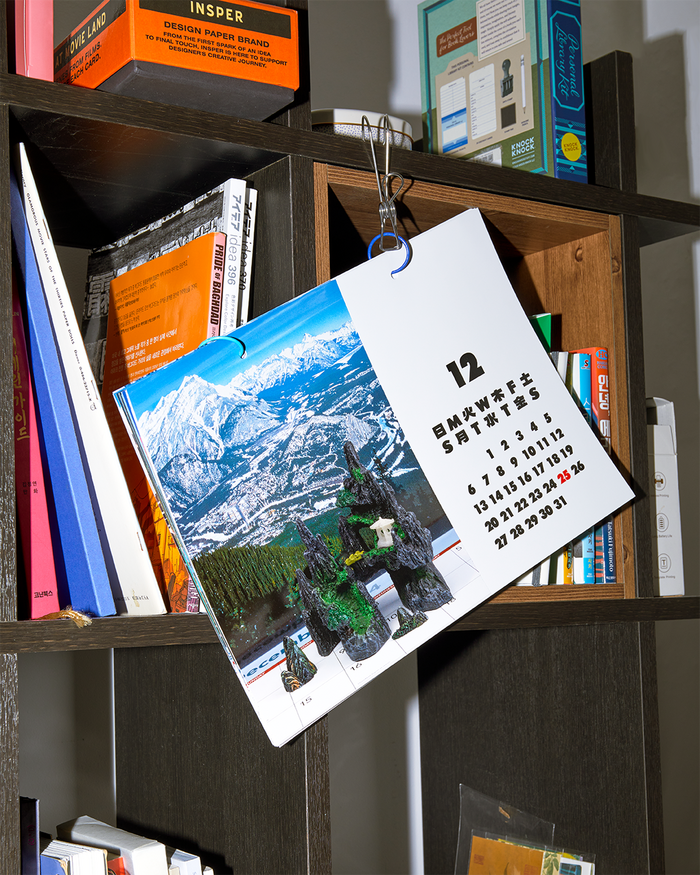
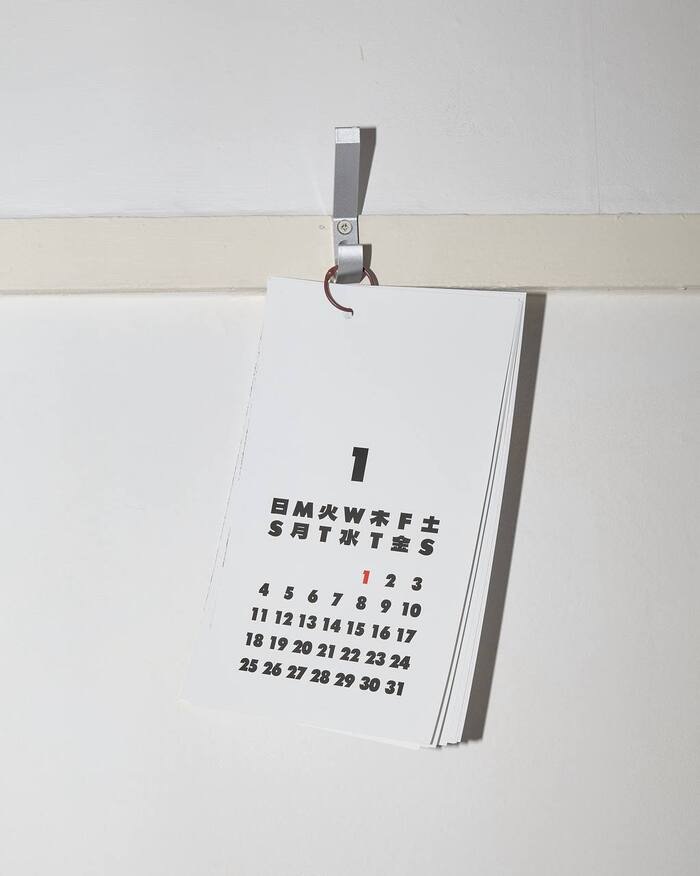
The Fake Nostalgia calendar was created as a collaboration between photographer Hyungyeong Jang and graphic designer Jiun Kwon.
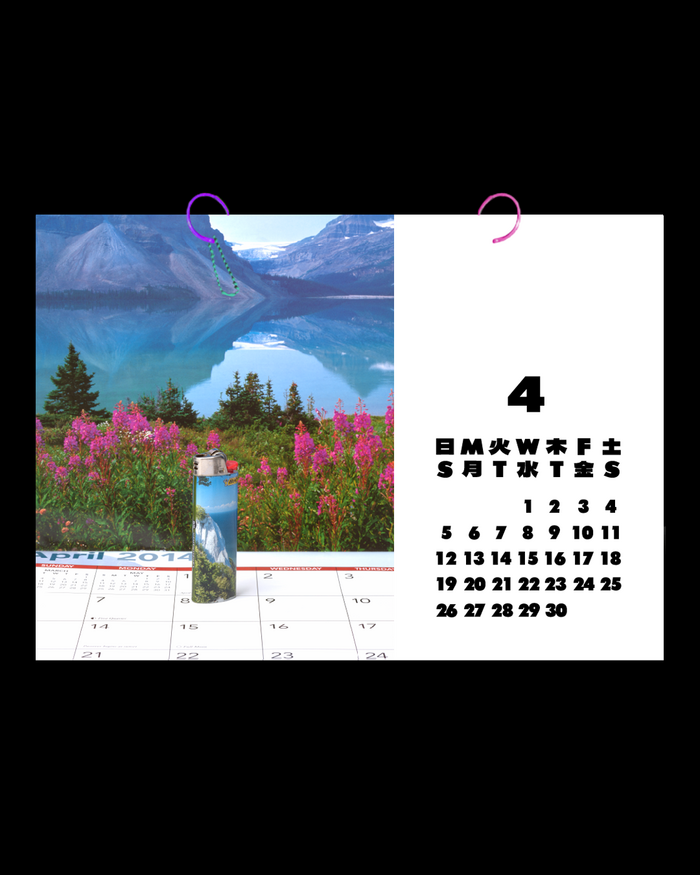
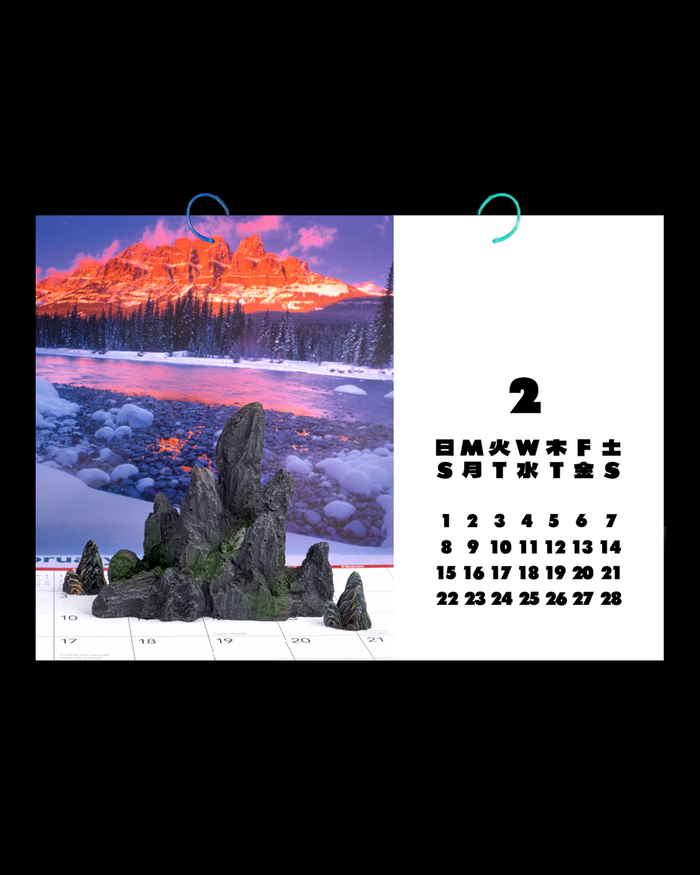
Living as a foreigner in Germany heightens photographer Hyun’s sense of continual misalignment with the places she inhabits. Feelings of estrangement from her present surroundings and the unfamiliarity she encounters when revisiting once-familiar landscapes gradually loosen the boundary between memory and reality. Confronted with this disjunction, the artist turns to images rather than physical spaces to construct an imaginary refuge. The places that appear in her work resemble fictional scenes composed from memory, imagination, and fragmented images, rather than direct representations of actual landscapes. This produces an uncanny atmosphere that permeates her photographs and installations.
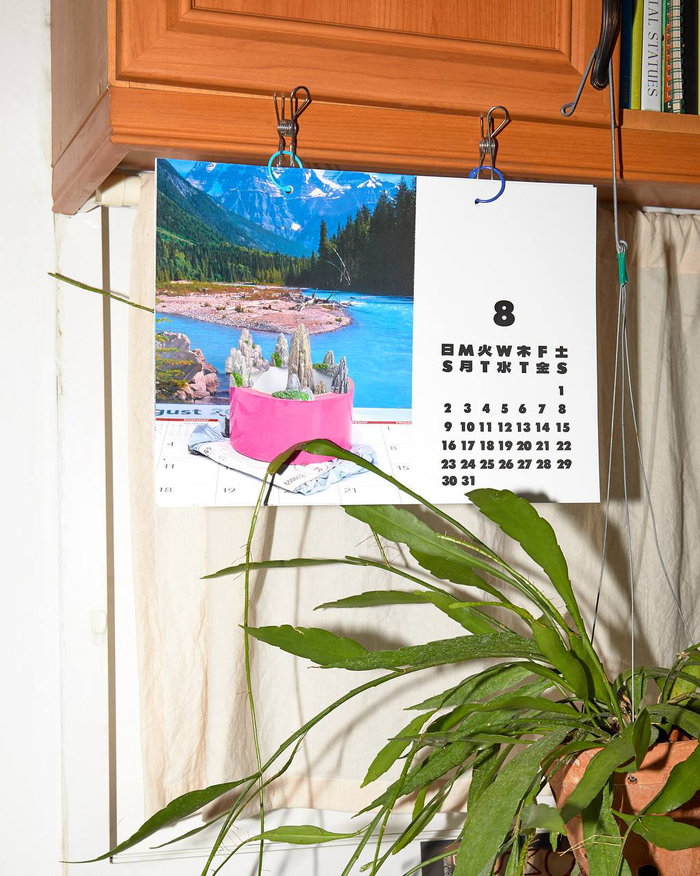
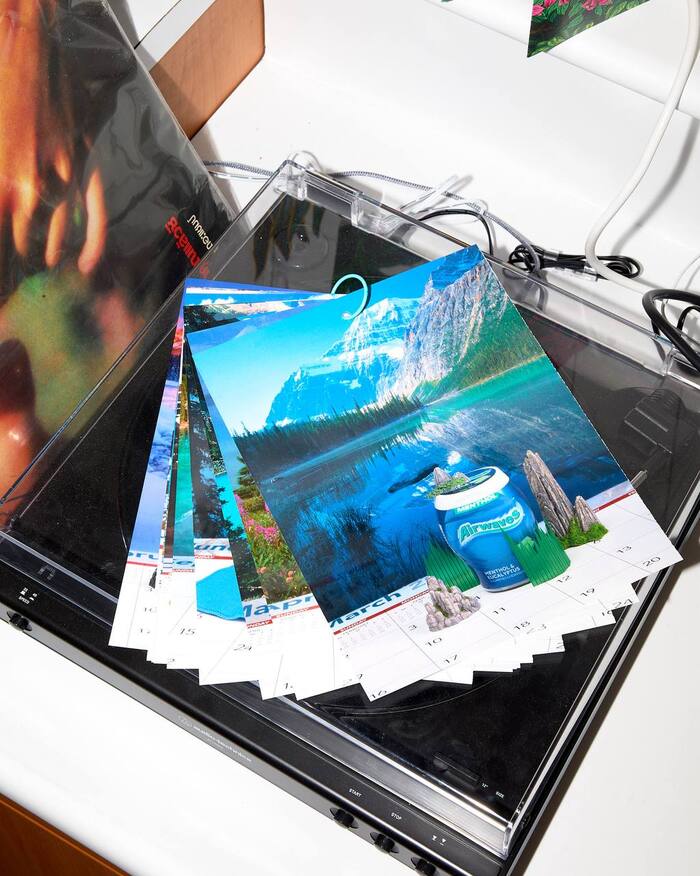
Her interest in the ways images stand in for reality expands from personal memories to the fabricated natural imagery produced by consumer culture. Calendar photographs, catalog spreads, and decorative objects present standardized images of nature that function as packaged substitutes for the real landscape. Hyun examines how this kind of “regulated nature” (verpackte Natur) circulates between familiarity and strangeness, unsettling and reshaping our sensory experience.
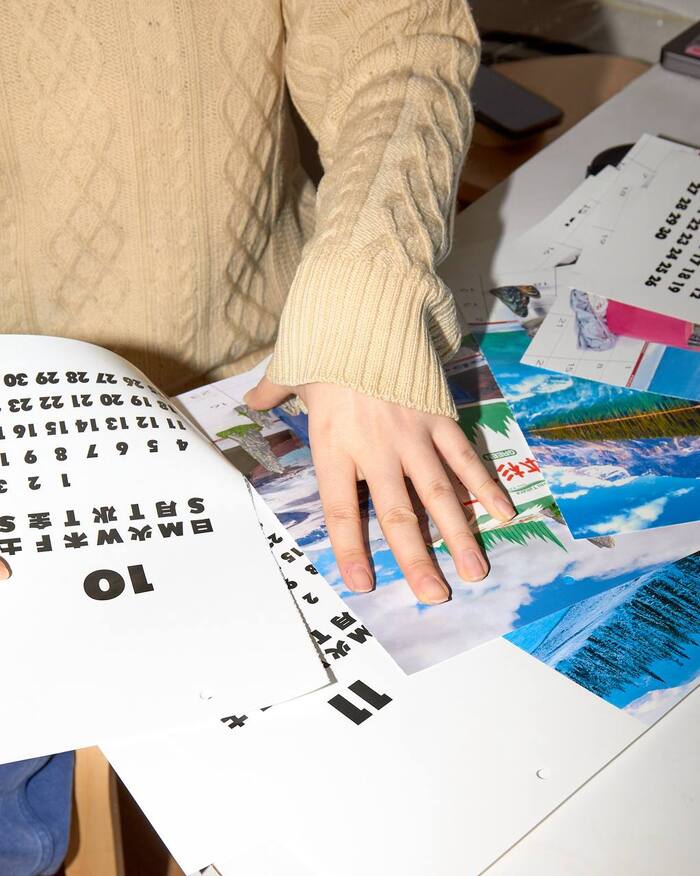
As a graphic designer, Jiun used a combination of Airport Black and Futura Extra Bold for the typefaces in the Fake Nostalgia calendar. Futura Extra Bold is Edwin W. Shaar’s 1952 weight extension of Futura, the geometric sans-serif typeface developed in the 1920s by the German designer Paul Renner. It became widely used in global corporate branding and advertising and came to represent the visual language of industrialization and mass production. Airport Black (c.1943) is the heaviest weight of and a unique addition to Baltotype’s unofficial copy of Futura, functioning as a kind of American, consumer-oriented Futura.
Just as natural imagery in Hyun’s work is consumed as simulated nature rather than an actual landscape, these typefaces also operate within a relationship of originals and reproductions. Image and type share a mechanism of replication that replaces reality, articulating the artist’s concept of fake nostalgia.
Source: www.instagram.com Hyun and Jiun. License: All Rights Reserved.
Source: www.instagram.com Hyun and Jiun. License: All Rights Reserved.
Source: www.instagram.com Hyun and Jiun. License: All Rights Reserved.
Source: www.instagram.com Hyun and Jiun. License: All Rights Reserved.
Source: www.instagram.com Hyun and Jiun. License: All Rights Reserved.
Source: www.instagram.com Hyun and Jiun. License: All Rights Reserved.
This post was originally published at Fonts In Use