Un material para imaginar by Oriol París Viviana
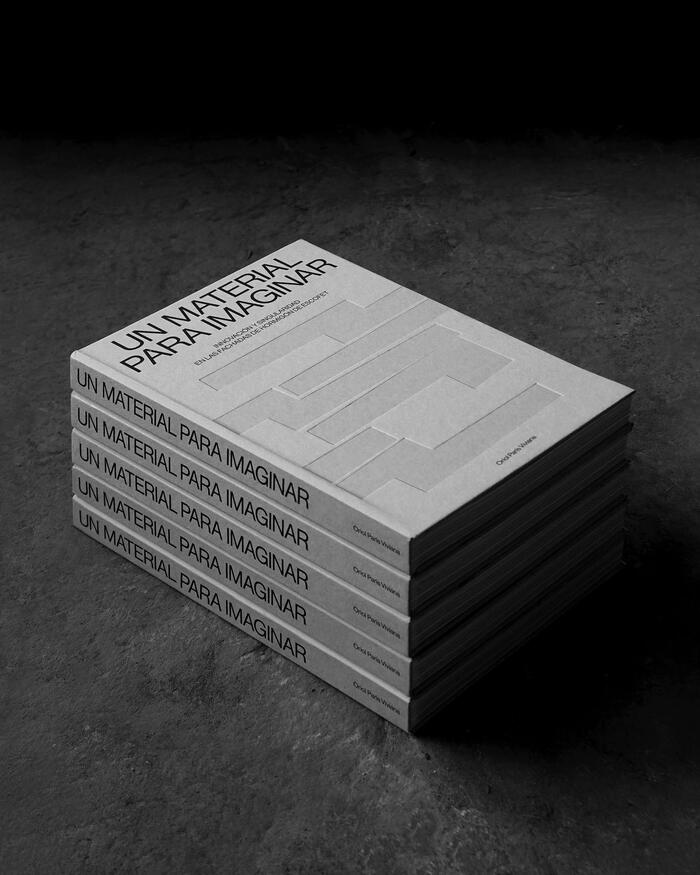
Source: www.casamira.studio Meritxell Casamira. License: All Rights Reserved.

In Un material para imaginar, architect and researcher Oriol París Viviana traces five decades of Escofet 1886’s contribution to the industrialization of architectural facades. The book revisits the company’s most influential projects to show how concrete has evolved from a structural component into a medium of expressive and technical possibility.
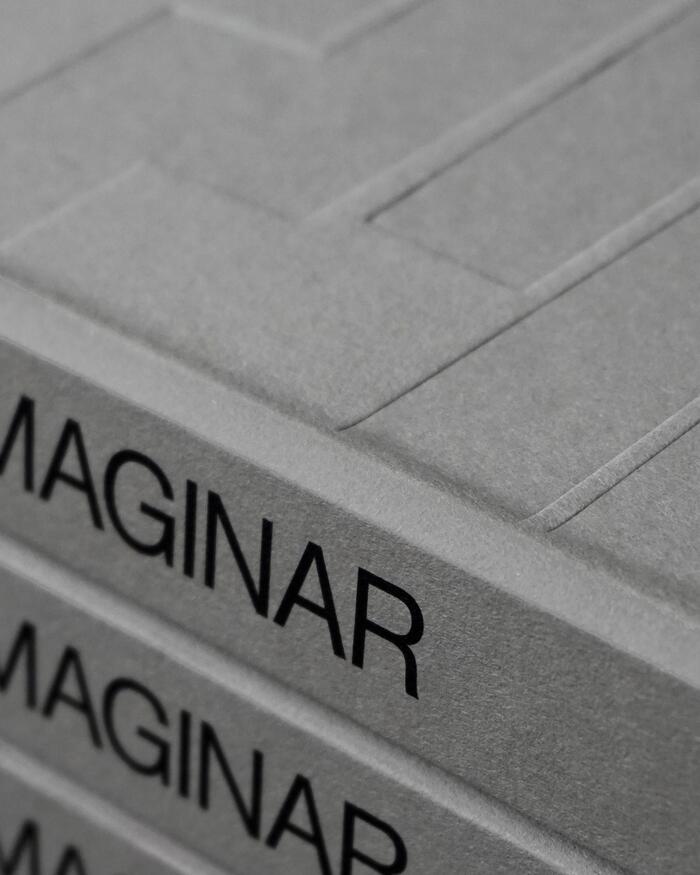
The publication gains much of its character from the visual direction by me, Meritxell Casamira (Casamira), with a design approach that reinforces the book’s central theme. Drawing on the austere vocabulary of brutalism, I’ve build a graphic environment that mirrors the material it examines. The layout embraces weight, texture, and clarity, turning each spread into a distilled reflection of concrete’s physical presence.
The design avoids ornamentation in favor of precision. Photographs, drawings, and text are orchestrated with deliberate restraint, creating a rhythm that guides readers through Escofet’s legacy without overshadowing it. The result is a publication that reads as both a historical document and an interpretive object – one that allows the material’s quiet force to emerge through structure, scale, and visual balance.
Through this lens, the book becomes more than an academic tribute. It stands as an example of how editorial design can translate architectural thinking into a tactile reading experience, giving concrete not just a narrative, but a voice.
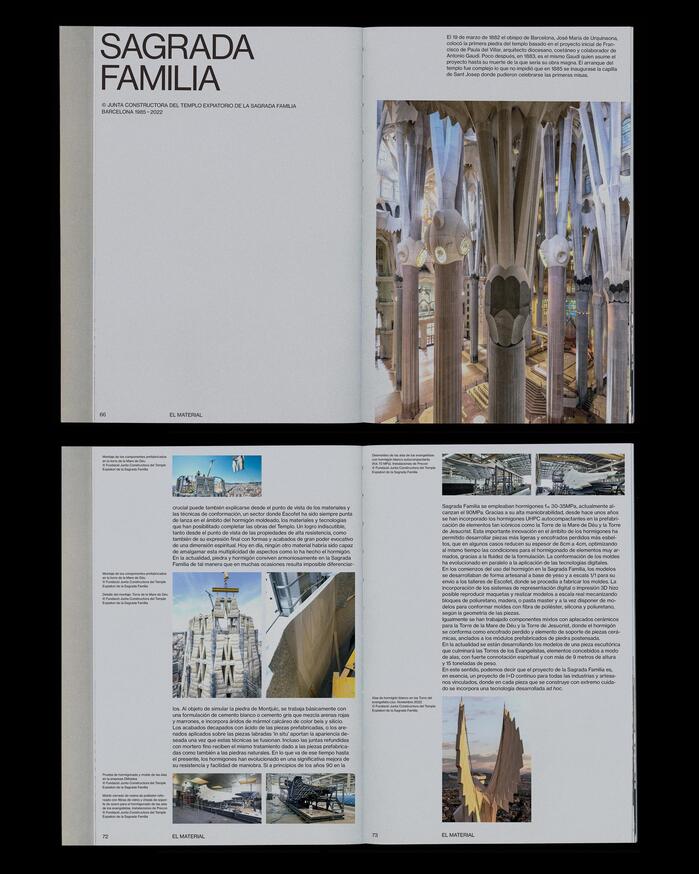
Source: www.casamira.studio Meritxell Casamira. License: All Rights Reserved.
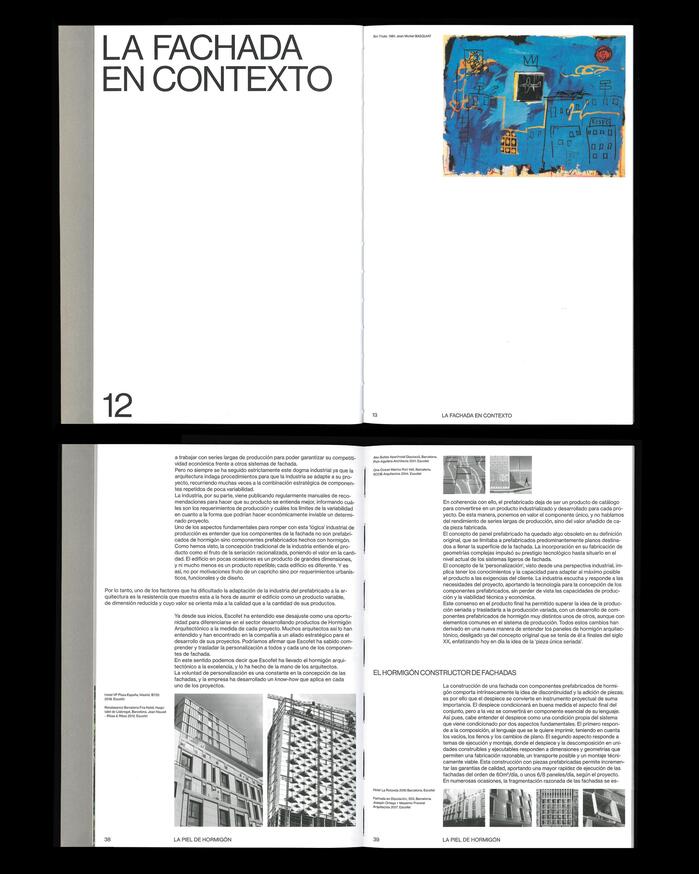
Source: www.casamira.studio Meritxell Casamira. License: All Rights Reserved.
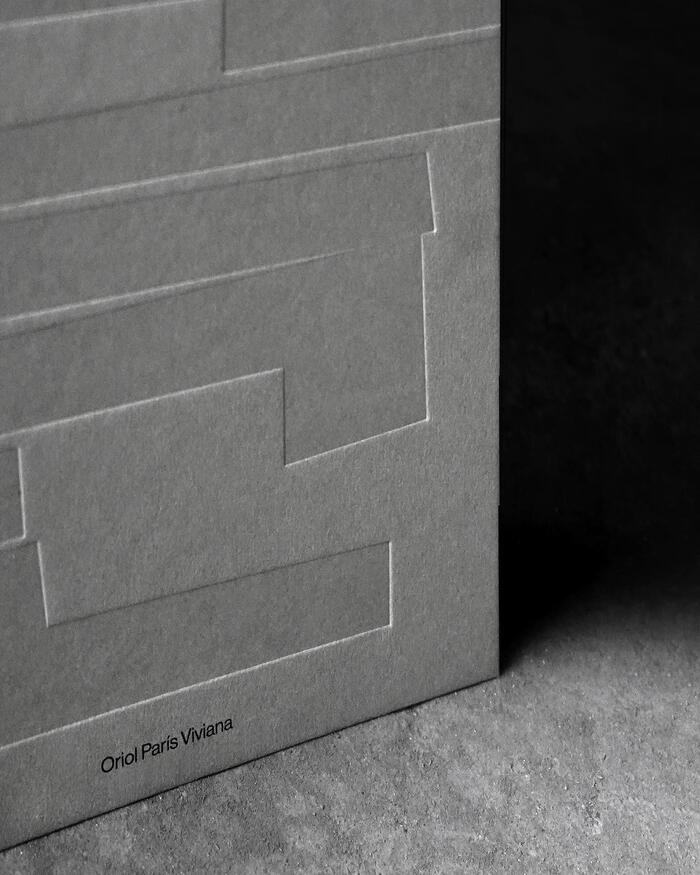
Source: www.casamira.studio Meritxell Casamira. License: All Rights Reserved.
Source: www.casamira.studio Meritxell Casamira. License: All Rights Reserved.
This post was originally published at Fonts In Use