Situational by Jo Zixuan
Source: www.jozixuan.com Jo Zixuan. License: All Rights Reserved.



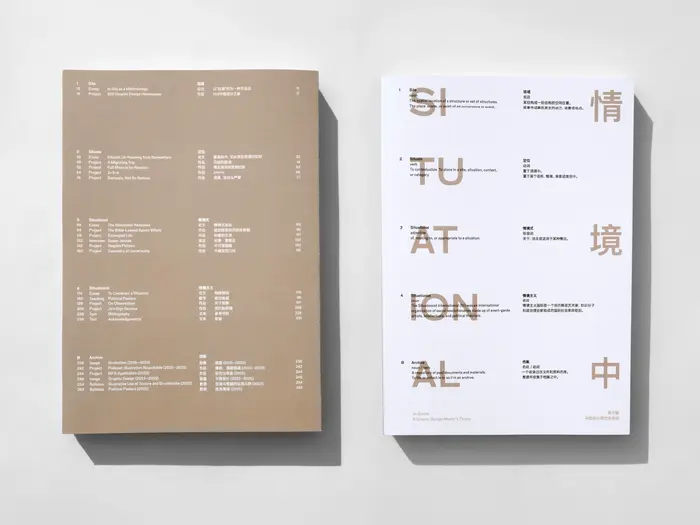
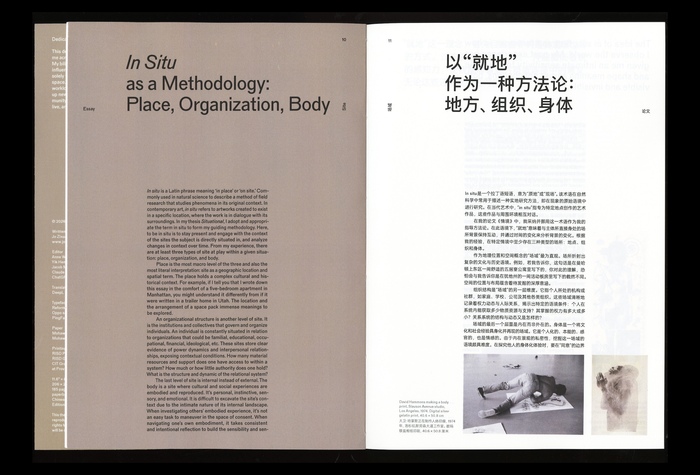
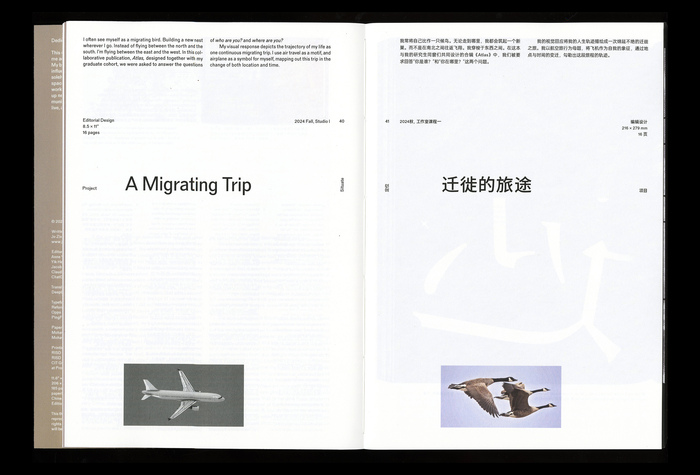
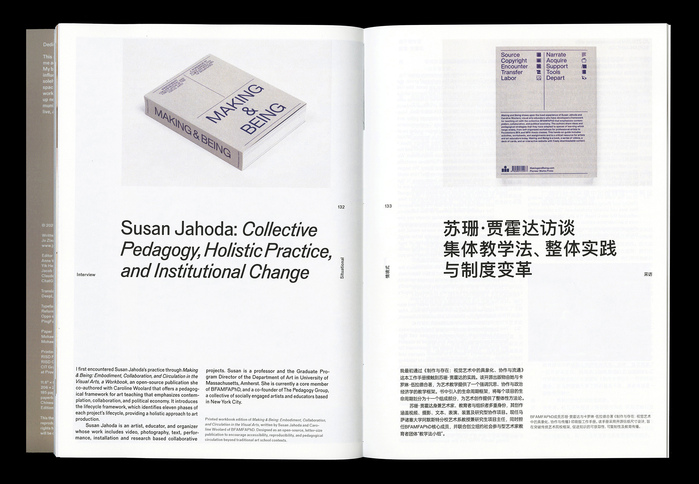
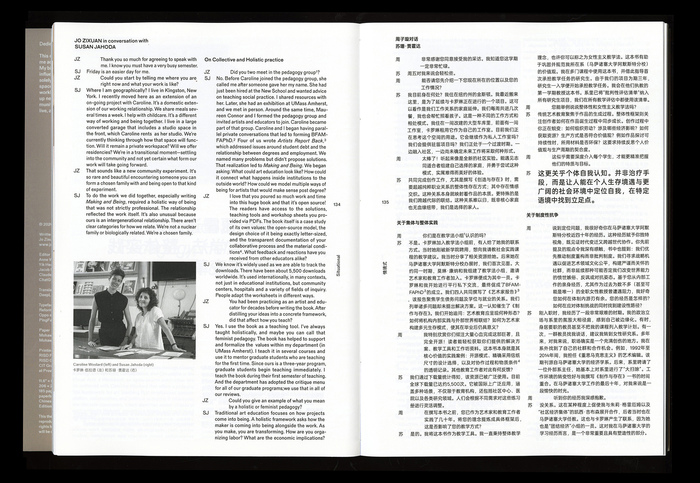
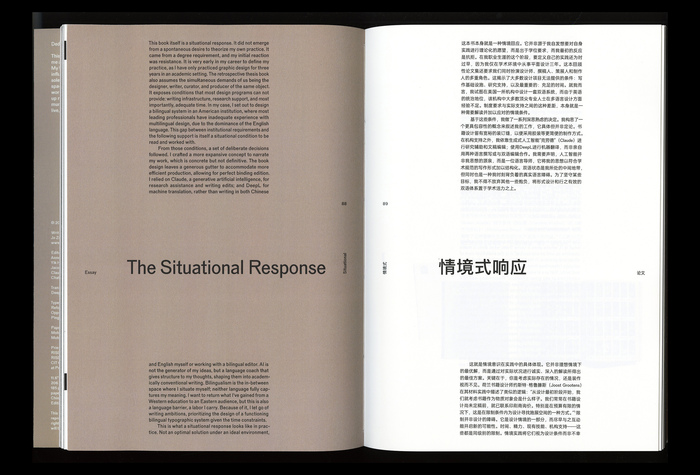
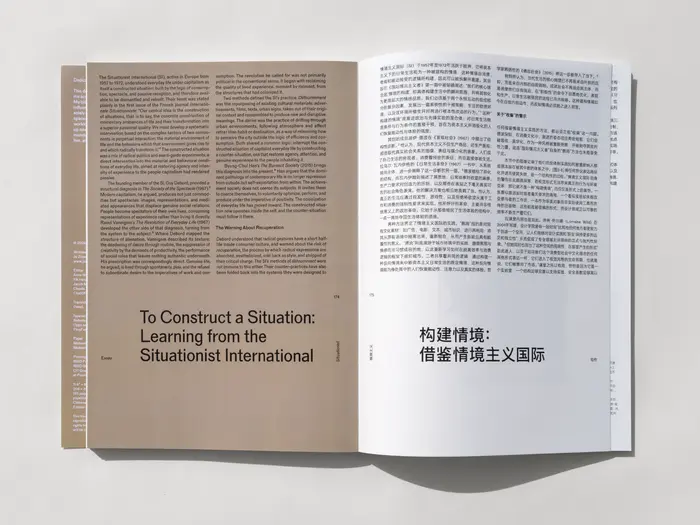
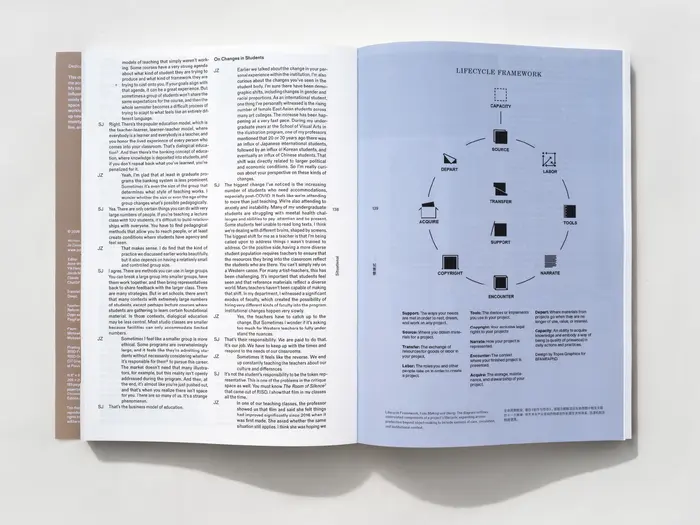
Situational is a graphic design MFA thesis that positions design as a tool to analyze and construct situations. The book is divided into five chapters: Site, Situate, Situational, Situationist, and Archive. Each key term is defined by an opening essays and illustrated with design work and interviews.
The Chinese title of this book, 情境中 (qíng jìng zhōng), translates directly to “within the situation”. Yet separately as three individual characters, qíng jìng zhōng means emotion, scene, within. A situation in my language is inherently an emotional scene, which requires us to account for more than the objective conditions, such as the geographical, economic, and social circumstances, as well as the subjective and affective experiences of individuals.
How can design analyze the context of given situations and construct new situations? The key terms organizing this book describe a movement. Site establishes the levels of context in which any practice is embedded: place, organization, body, and their continuous interaction across time. Situate names the conditions that shape the maker's partial positionality within sites. Situational describes the practice of reading those conditions analytically and responding to them fluidly. Situationist takes all of that outward. Having understood the context, named the position, and learned to respond to conditions, the question becomes: what new situations can be constructed for others? How do you use that understanding to intervene in the world rather than simply describe it?
To read the full book, visit Rhode Island School of Design digital commons.
The bilingual publication (English, Chinese) has 272 pages, is Swiss sewn bound and measures 166 × 220 mm.
Source: www.jozixuan.com Jo Zixuan. License: All Rights Reserved.
Source: www.jozixuan.com Jo Zixuan. License: All Rights Reserved.
Source: www.jozixuan.com Jo Zixuan. License: All Rights Reserved.
Source: www.jozixuan.com Jo Zixuan. License: All Rights Reserved.
Source: www.jozixuan.com Jo Zixuan. License: All Rights Reserved.
Source: www.jozixuan.com Jo Zixuan. License: All Rights Reserved.
Source: www.jozixuan.com Jo Zixuan. License: All Rights Reserved.
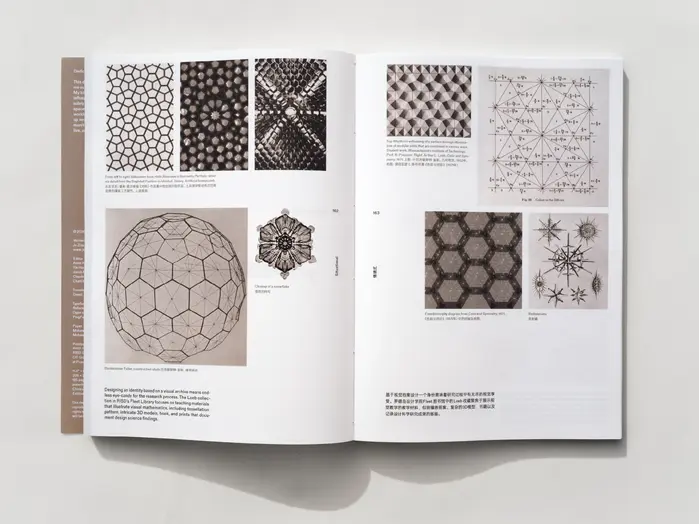
Source: www.jozixuan.com Jo Zixuan. License: All Rights Reserved.
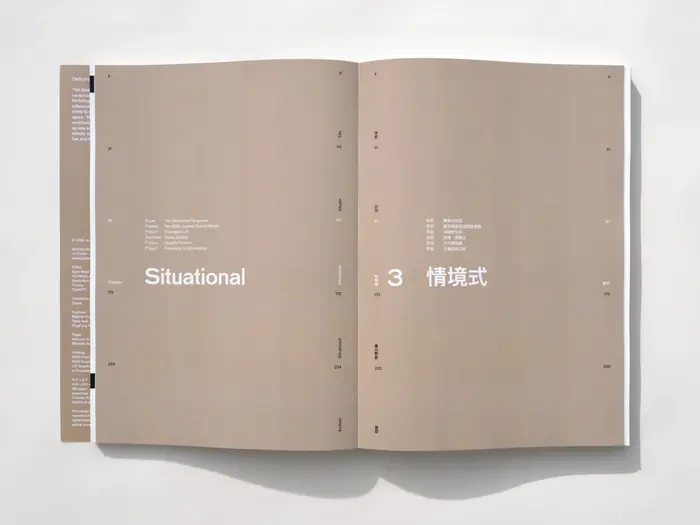
Source: www.jozixuan.com Jo Zixuan. License: All Rights Reserved.
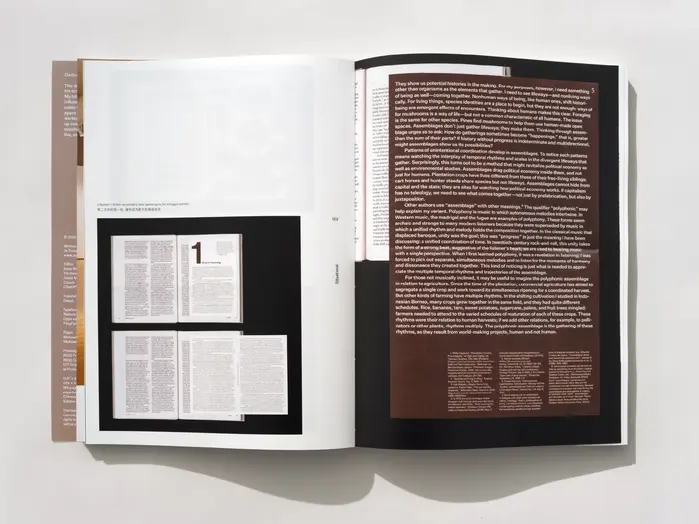
Source: www.jozixuan.com Jo Zixuan. License: All Rights Reserved.
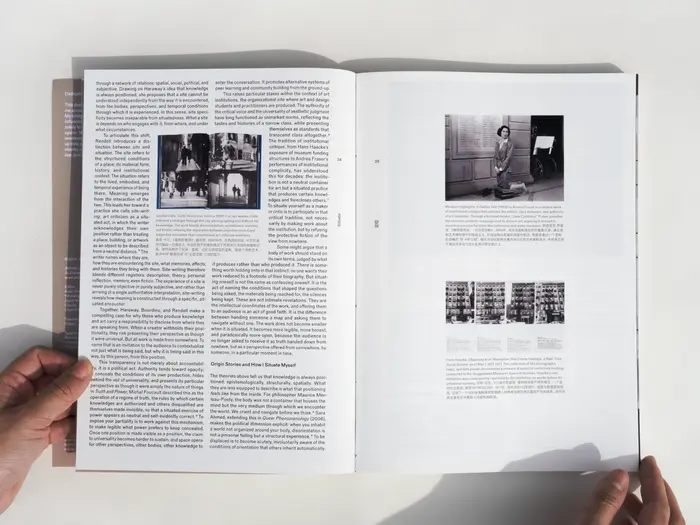
Source: www.jozixuan.com Jo Zixuan. License: All Rights Reserved.
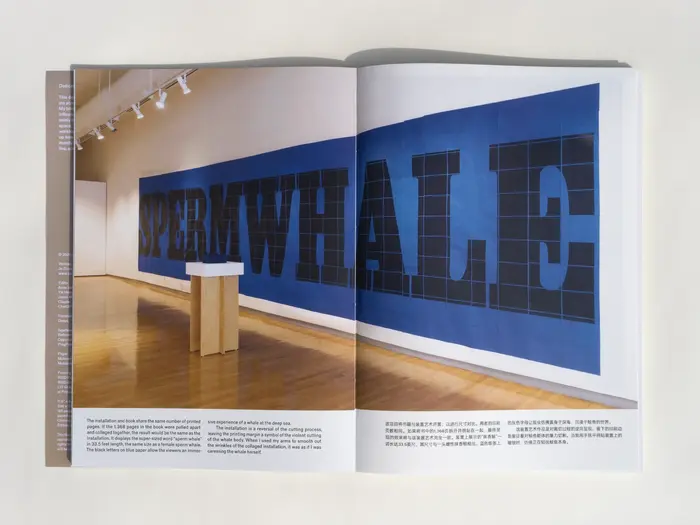
Source: www.jozixuan.com Jo Zixuan. License: All Rights Reserved.
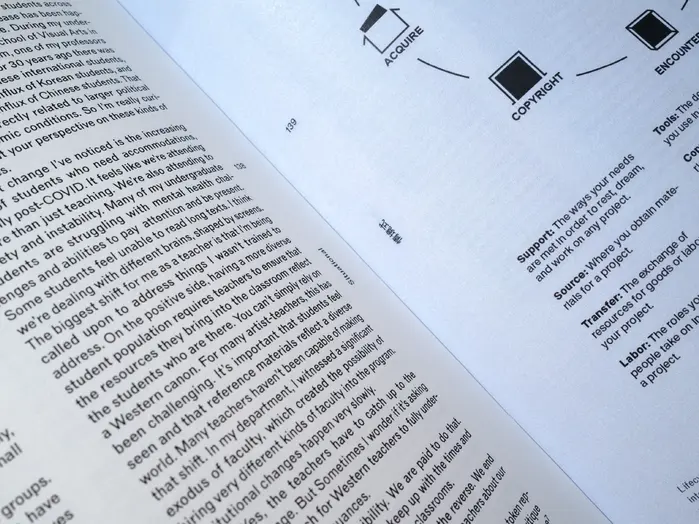
Source: www.jozixuan.com Photo: Jo Zixuan. Jo Zixuan. License: All Rights Reserved.
This post was originally published at Fonts In Use