Pussy Wagon

License: All Rights Reserved.
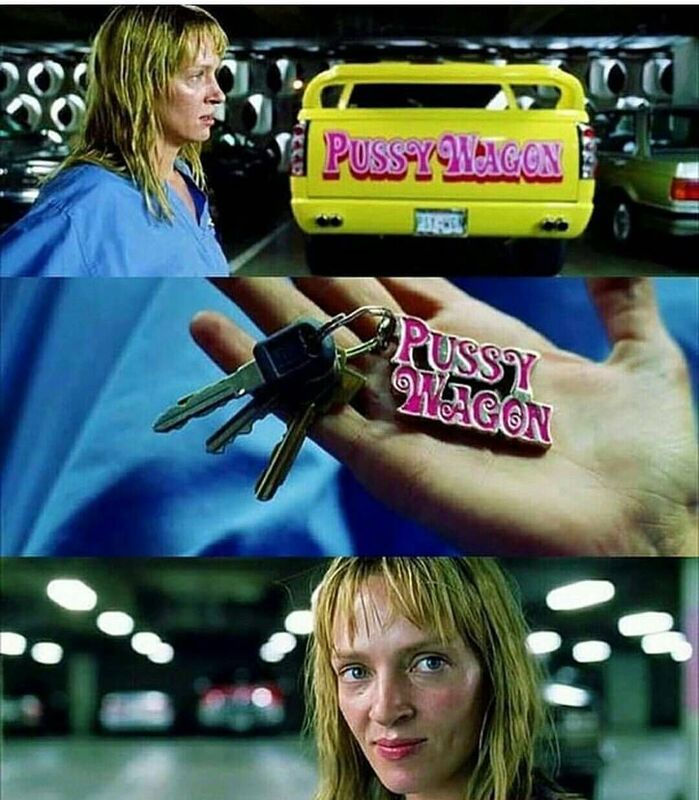
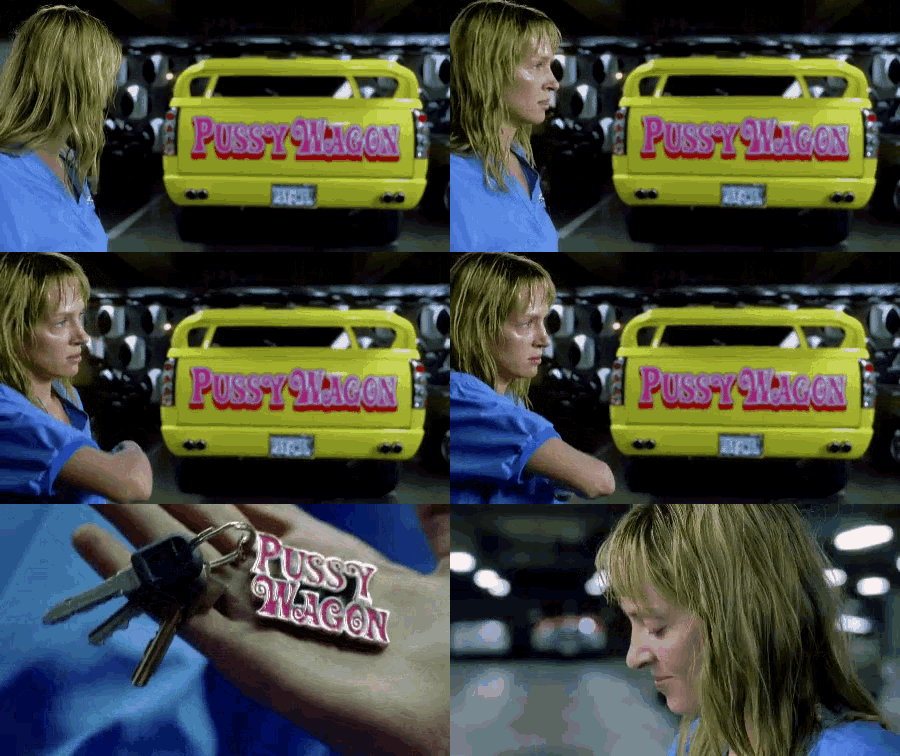
The “Pussy Wagon” is a Chevrolet Silverado pickup truck that features in Quentin Tarantino’s 2003 film Kill Bill: Volume 1. The pink lettering on its rear – replicated in the keyring pendant – is in a groovy 1960s style that, among other things, was used for cheesy pulp fiction with sexist tropes.
In an act of reframing through affirmation that’s typical of Tarantino, the bright yellow vehicle with the tacky name (and matching license plate) serves Uma Thurman as Beatrix “the Bride” Kiddo to launch her “roaring rampage of revenge” against the men (and women) who did her wrong.
The font in use probably is Action Is, an all-caps freebie from 1998. It was drawn by Jeff Levine based on an application of either Caruso Roxy or its close follower Holiday. The Identifont blog has the font’s origin story:
While working in the recording industry for Steve Alaimo, former singer and co-host of the 1960s TV show Where the Action Is, Jeff noticed an interesting typeface spelling out the show’s title on a photo album Steve kept from those years. Tracing the letters which existed on that page, and creating his own characters for those that were missing, the font was digitized by Brad Nelson of Brain Eaters Fonts and released as freeware under the name Action Is.
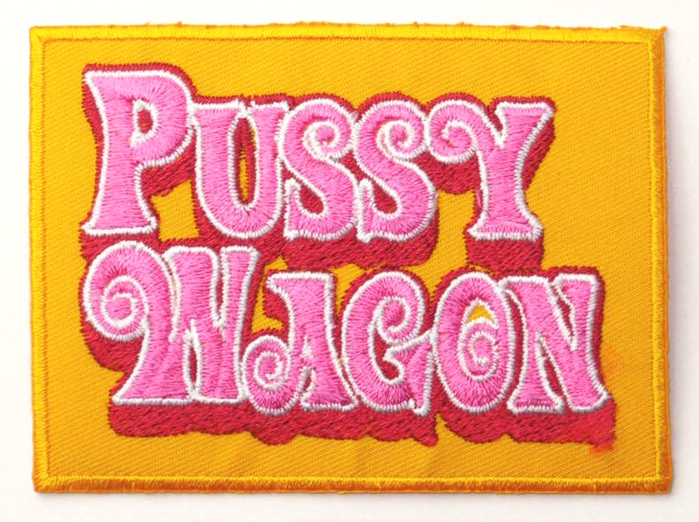
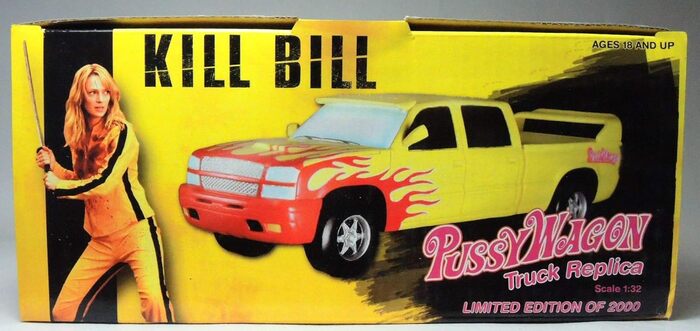
The iconic prop was subsequently produced as fan item, in the form of stickers, patches, keyring pendant, model cars, and more.
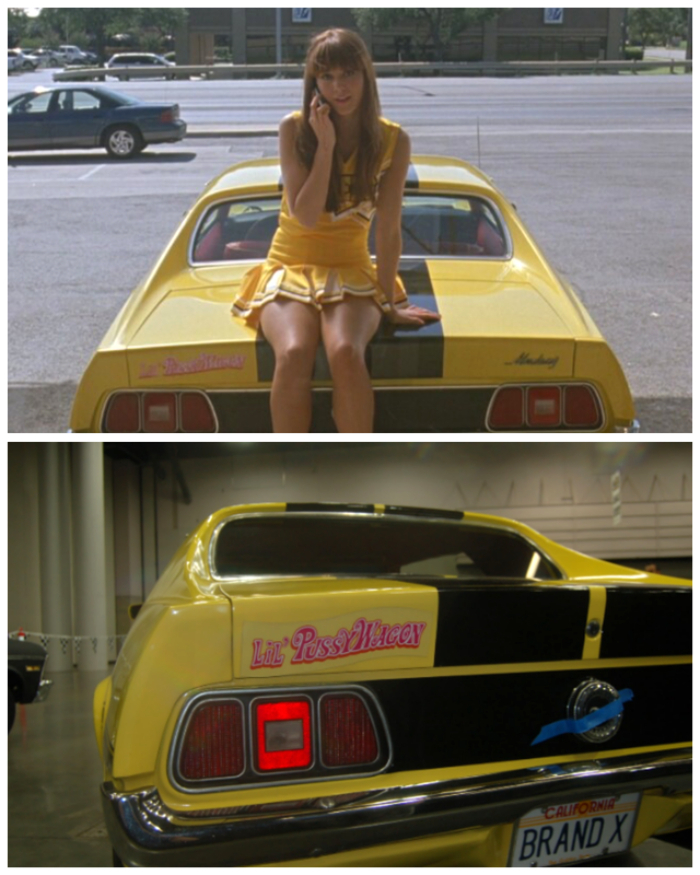
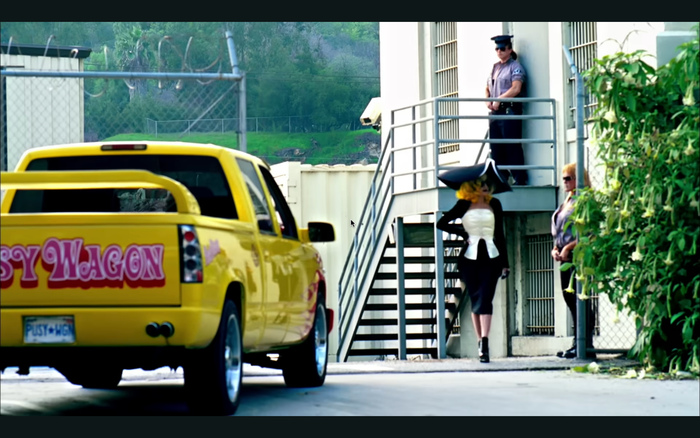
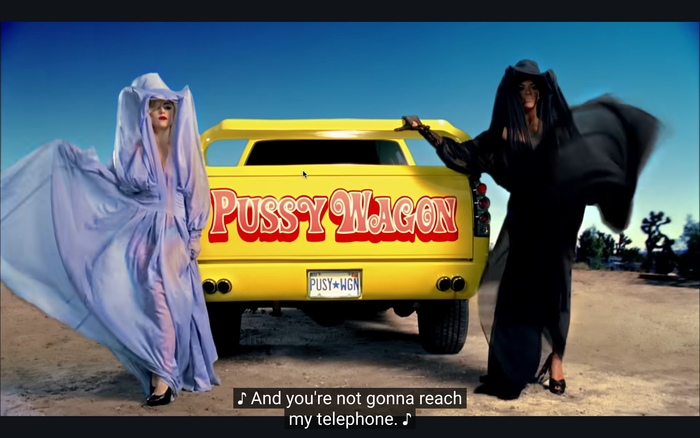
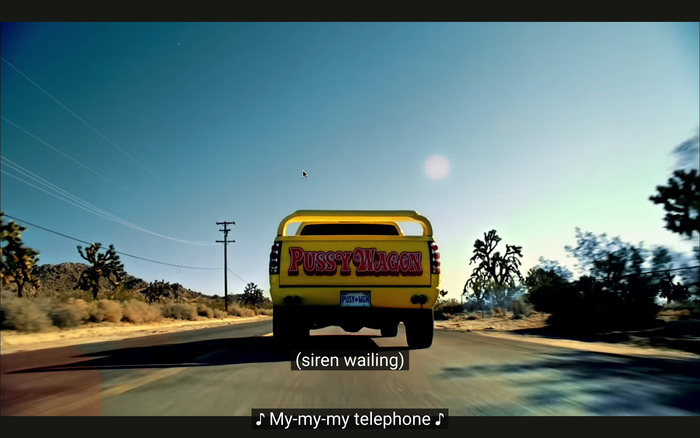
It has also been quoted more than once: in Tarantino’s Death Proof from 2007, a 1972 Ford Mustang is labeled “Lil’ Pussy Wagon”. The car again serves women to take revenge on a misogynistic murderer. And in 2009, the original Pussy Wagon made a cameo in the music video for Lady Gaga’s 2009 song “Telephone” featuring Beyoncé.
Source: www.facebook.com License: All Rights Reserved.
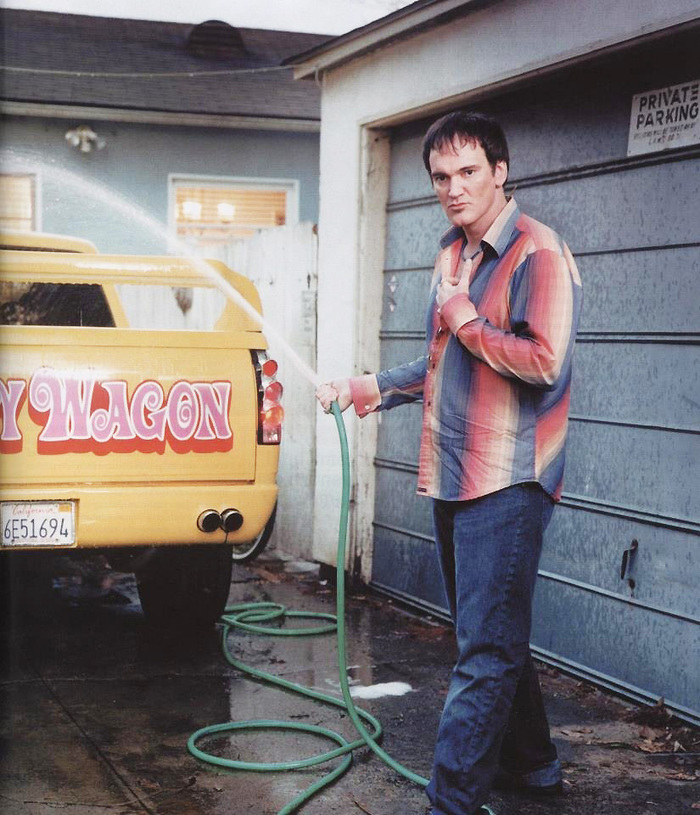
Quentin Tarantino used to drive the Pussy Wagon himself. Via the Quentin Tarantino Fan Club: “The thing about the Pussy Wagon is, whenever I drove it on the freeway, everyone recognized it’s me. Everyone recognized the Pussy Wagon. And then it would be a chain, because people would drive alongside me and try to talk to me.”
Source: www.amazon.co.uk License: All Rights Reserved.
Box for a Pussy Wagon truck replica in the scale of 1:32
Source: www.reddit.com License: All Rights Reserved.
Mary Elizabeth Winstead in her role as Lee Montgomery, sitting on the “Lil’ Pussy Wagon” in the second segment of Death Proof (2007)
Source: www.youtube.com License: All Rights Reserved.
Stills from the music video to “Telephone”: Lady Gaga leaves prison …
Source: www.youtube.com License: All Rights Reserved.
… and dances with Beyoncé in front of the Pussy Wagon.
This post was originally published at Fonts In Use