A piedi nudi nel parco
License: All Rights Reserved.

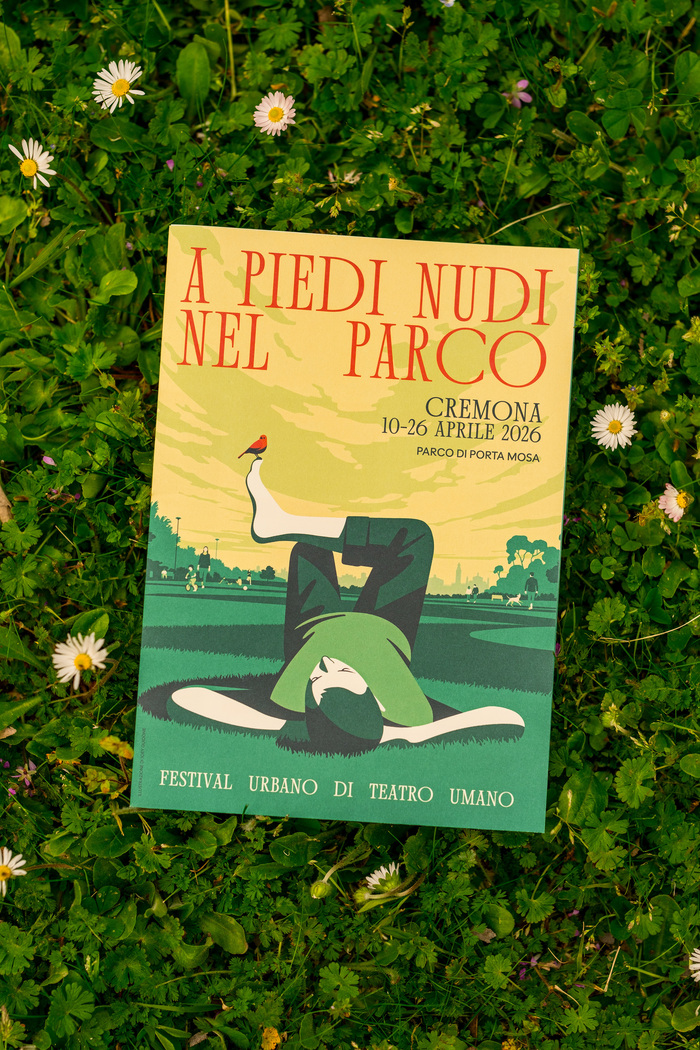
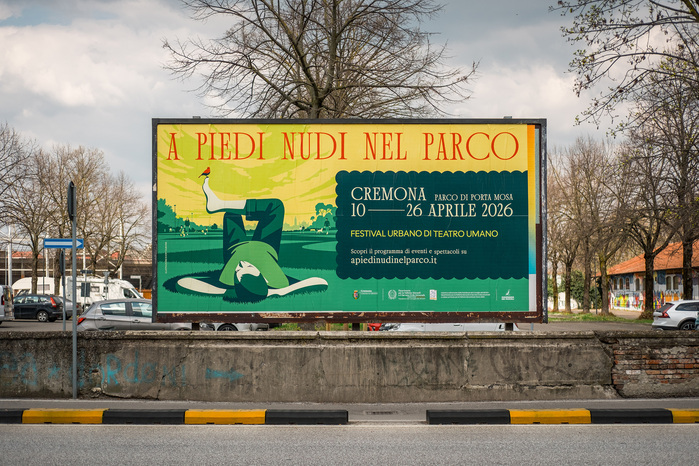
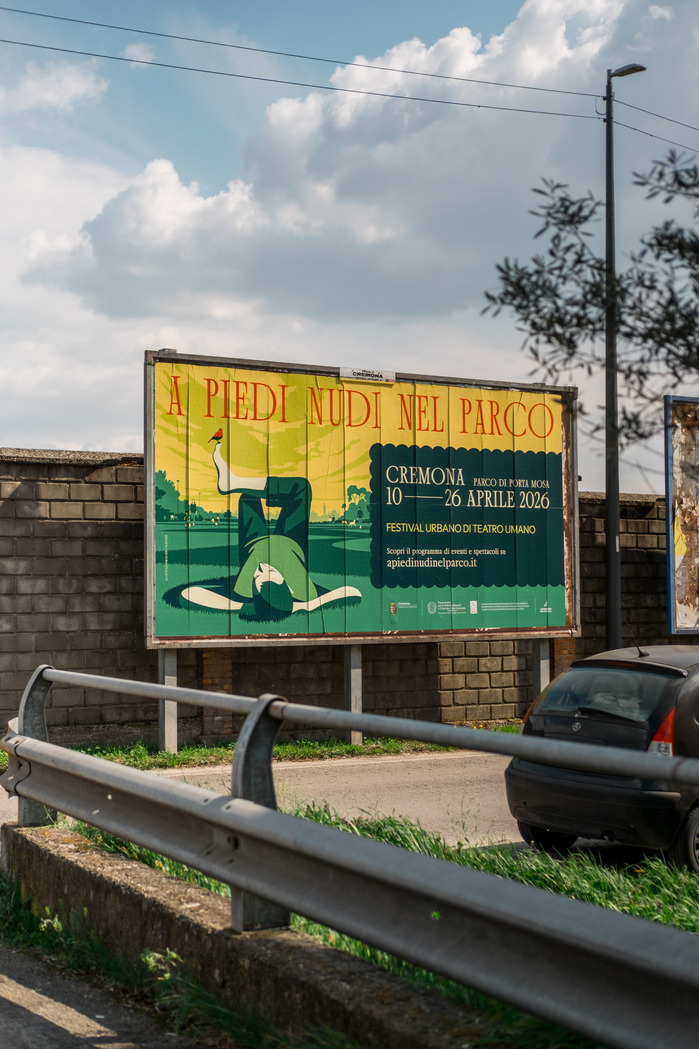
A Piedi Nudi Nel Parco (“Barefoot in the Park”) is an urban theatre festival that took place in Cremona, Italy, from April 10 to 26, 2026, transforming the city’s Porta Mosa park into a temporary space for culture, performance, and shared experiences.
Curated by Compagnia dei Piccoli, with the support of the Municipality of Cremona and other cultural institutions, the festival brought together a rich programme of human-centred artistic experiences. The concept behind the festival is rooted in the idea of the park as a place of pause and renewal – a space where people can breathe, reconnect, listen, imagine, and encounter new stories. For two weeks, the park became a collective stage where theatre, music, cinema, philosophy, play, and conversation intertwined.
At the heart of the event was a circus tent, a temporary chapiteau that recalled the origins of theatre itself: a circular space where communities gathered around stories and collective imagination. Its atmosphere also evoked the poetic world of Federico Fellini, where art emerges from a desire for wonder, resilience, and human connection.
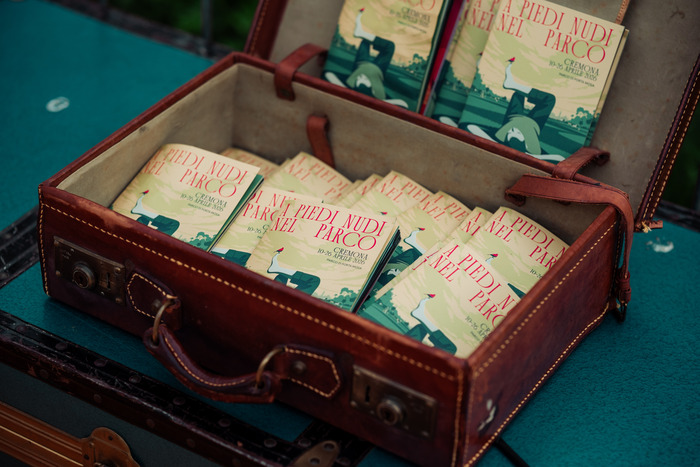
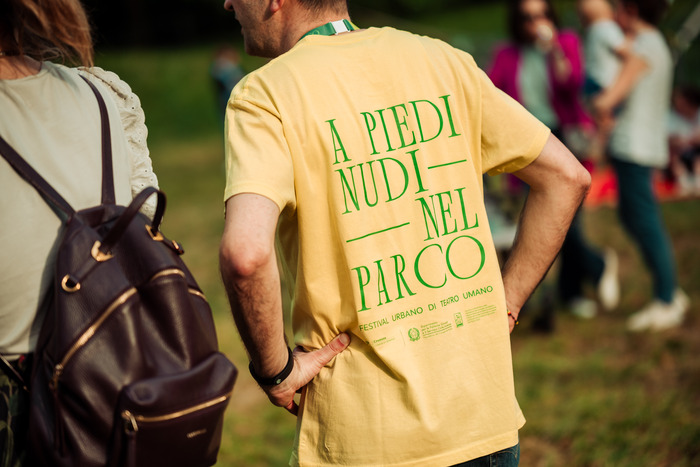
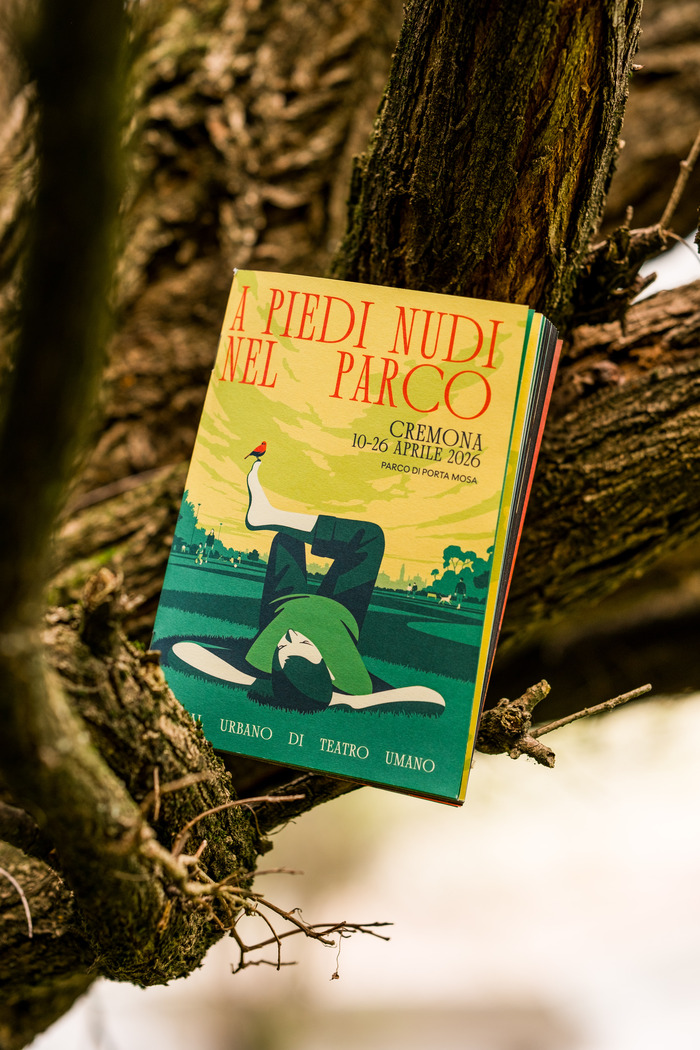
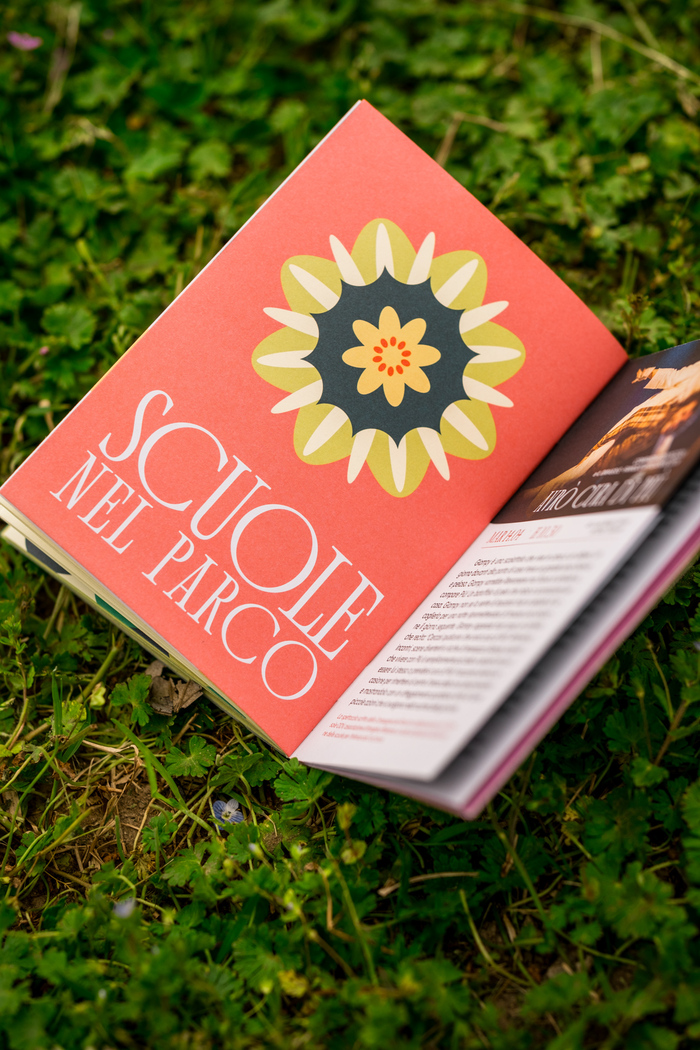
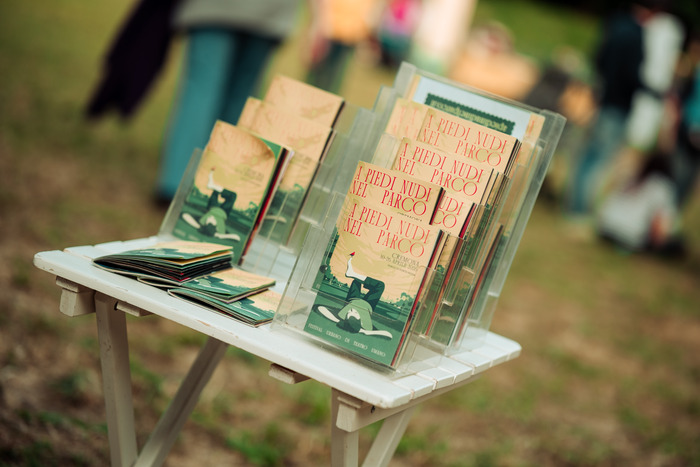
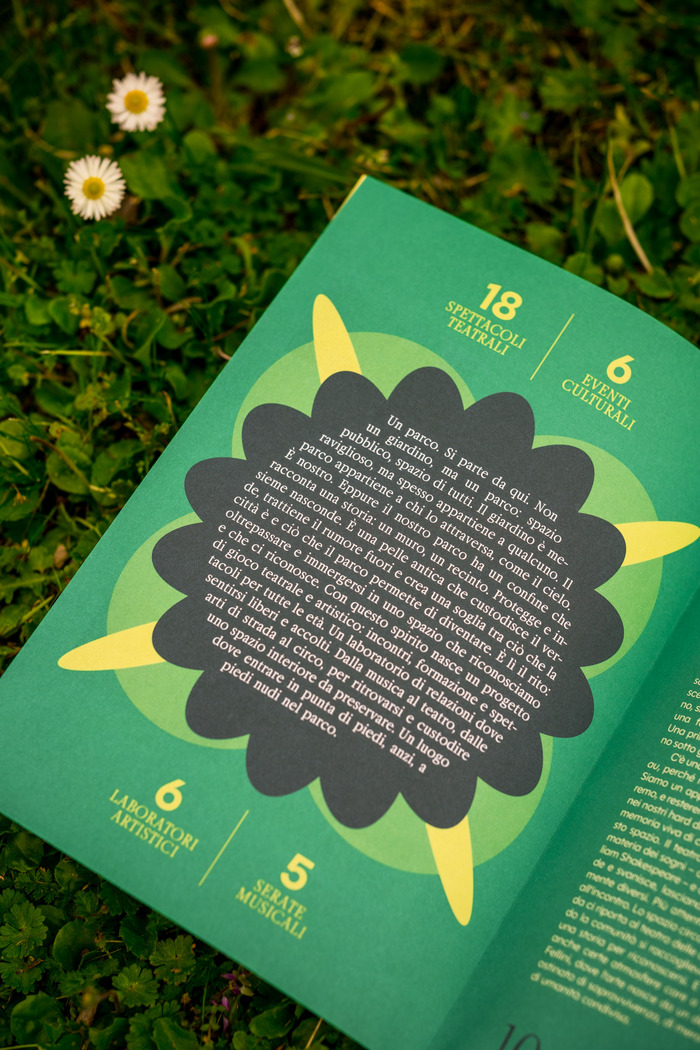
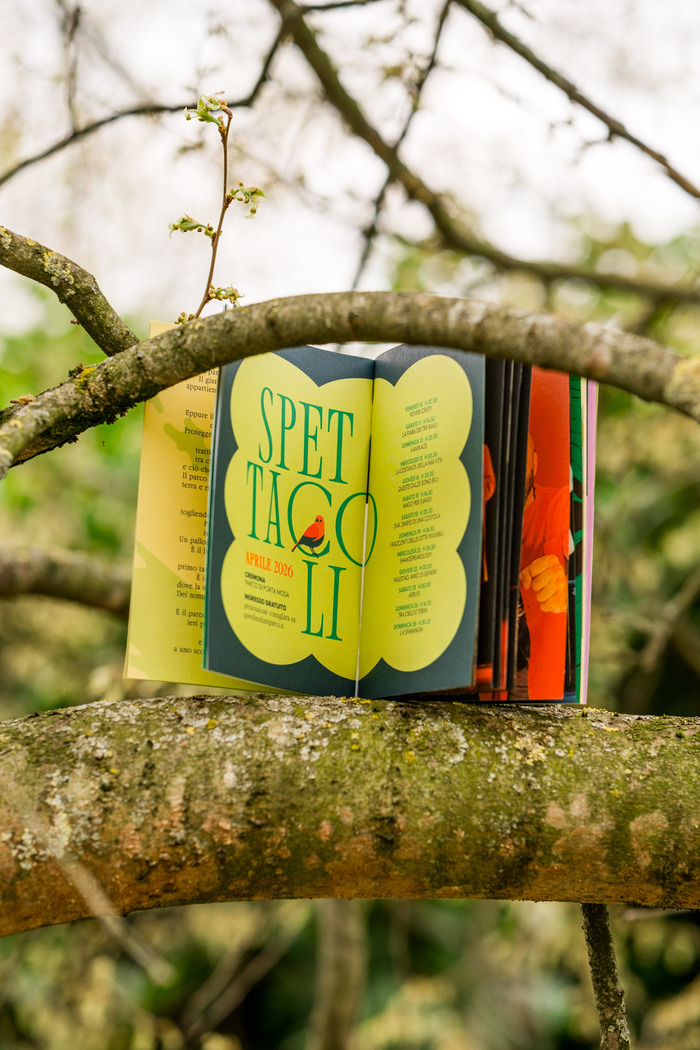
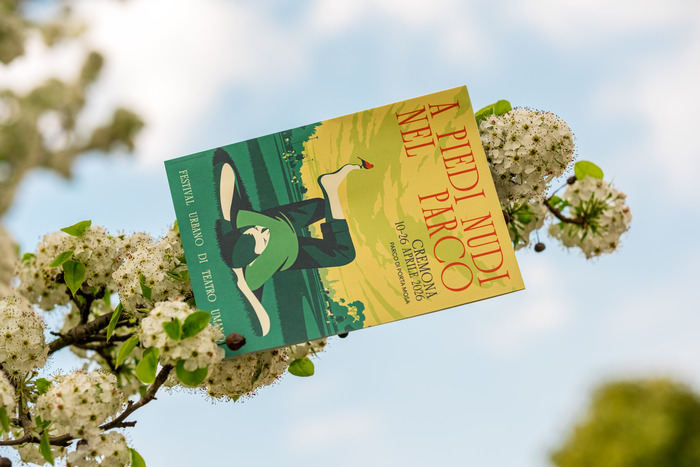
The visual identity developed from an original illustration by Joey Guidone, created specifically for the festival. The graphic system expands the idea of the park through simplified geometric shapes that combine and transform like a kaleidoscope, generating ever-changing floral silhouettes. A predominantly green colour palette reinforces the connection with nature while creating a distinctive and recognisable identity.
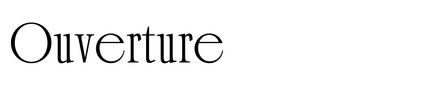
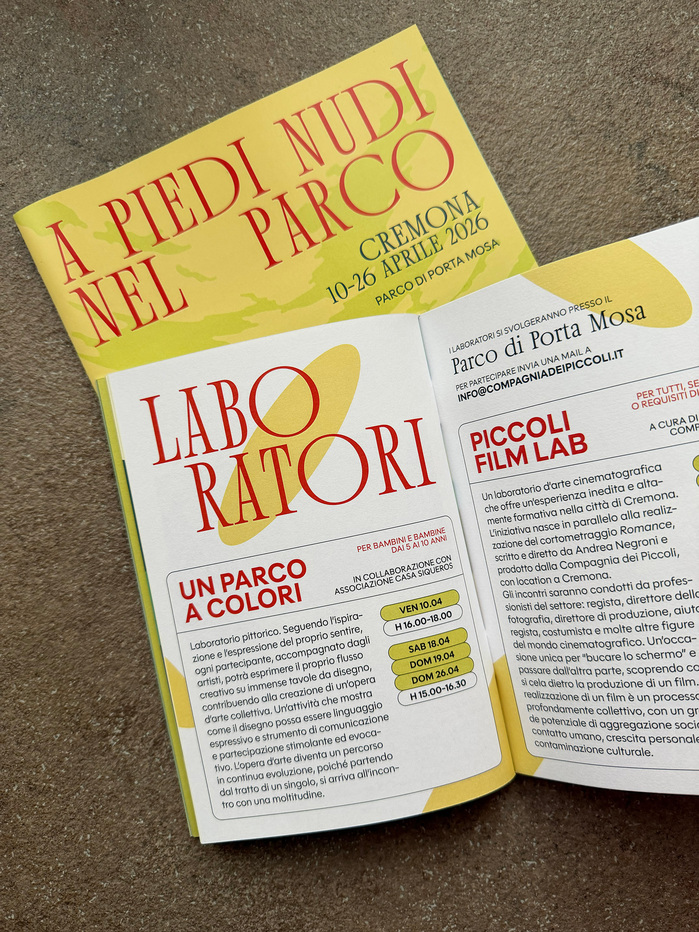
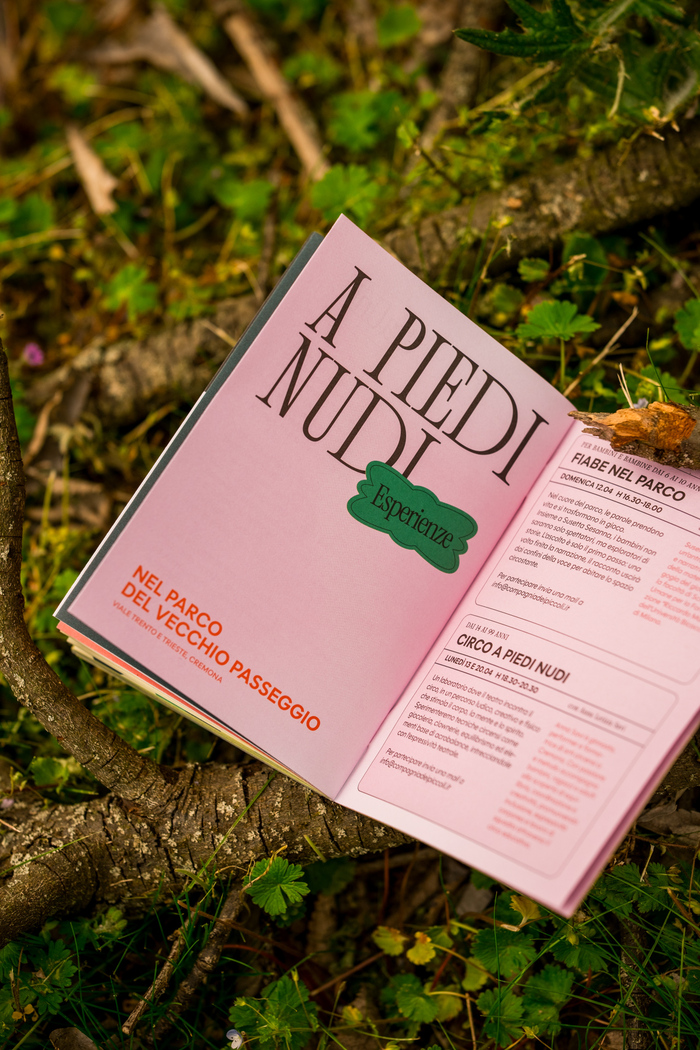
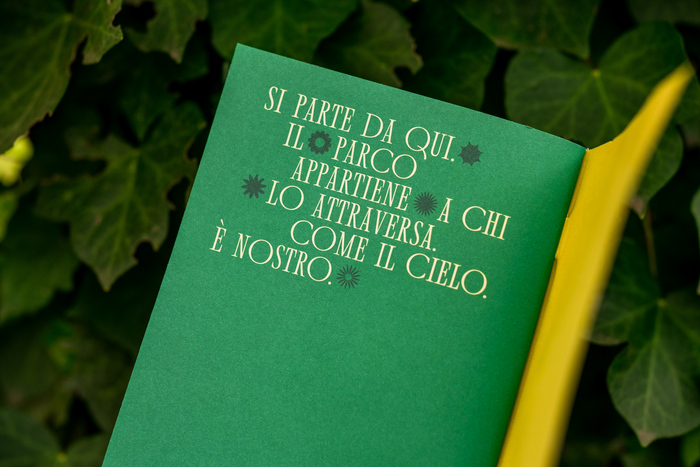
For the typography, the unique setting of a circus tent inside an urban park immediately suggested a vintage atmosphere – a reference to the travelling circuses that once brought their energy and imagination into town squares. Ouverture by Zetafonts perfectly captures this spirit: it naturally integrates with the visual language of the festival. The typeface’s unconventional rhythm, shifting between condensed letterforms such as E, R, and P and wider, more open shapes like C, O, and D, reflects the variety of artistic disciplines presented during the event. Its constant visual movement mirrors the organic transformations found in nature – the growth of a flower, the movement of grass in a meadow, or the changing atmosphere of a shared experience.
License: All Rights Reserved.
License: All Rights Reserved.
License: All Rights Reserved.
License: All Rights Reserved.
License: All Rights Reserved.
License: All Rights Reserved.
License: All Rights Reserved.
License: All Rights Reserved.
License: All Rights Reserved.
License: All Rights Reserved.
License: All Rights Reserved.
License: All Rights Reserved.
License: All Rights Reserved.
This post was originally published at Fonts In Use